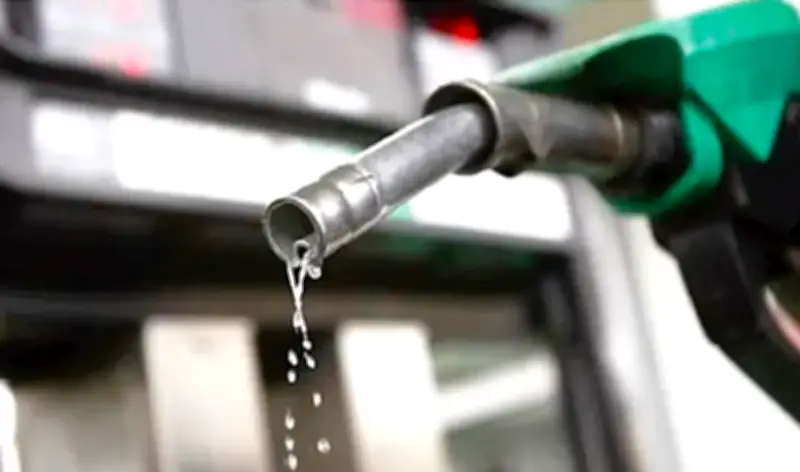
A recent study has uncovered that skyrocketing fuel prices now consume approximately 73 percent of the income of tricycle operators, commonly known as Keke NAPEP, in northern Nigeria. The research, conducted by Carbon Assets Limited and presented by its CEO Mukhtar Abdulhameed in Abuja, assessed the readiness of Nigeria's informal transport sector for e-mobility adoption. It focused on Kano, Kaduna, and Jigawa states, where informal transportation is vital for daily mobility and economic activities.
Fuel price surge and income impact
Fuel prices have risen sharply in Nigeria, Africa's largest oil producer, following geopolitical tensions in the Middle East that disrupted major oil supply routes, including the Strait of Hormuz. Petrol, which previously retailed at around N870 per litre in major cities, has increased by over 50 percent. According to the study, between 97 and 99 percent of northern Nigerian tricycle operators have reported lower income since 2023, following the removal of fuel subsidies. In Jigawa State, operators spend more on fuel than their daily take-home income.
E-mobility willingness and savings potential
The study found significant willingness among tricycle operators to adopt e-mobility systems. Between 94 and 98 percent of respondents expressed interest in Battery-as-a-Service (BaaS), a model allowing users to swap depleted batteries instead of purchasing them outright. Operators currently spend about N9,600 daily on fuel, but under a battery-swapping model, costs could drop to about N4,000, resulting in daily savings of about N5,600, or approximately N1.68 million annually. The findings also indicate that Nigeria's existing digital payment infrastructure is largely ready to support electric mobility deployment.
Climate finance opportunities
The study noted that tricycle-based informal transport systems across Kano, Kaduna, and Jigawa generate about 1,042,100 tonnes of carbon dioxide equivalent annually from an estimated 190,000 vehicles, using IPCC Tier 1 methodology. A 10 percent shift to e-mobility would exceed minimum thresholds for certain climate finance instruments, creating potential opportunities for green investment in the Nigerian transport sector.
Barriers and union influence
Battery performance remains a major barrier to adoption. Between 77 and 85 percent of operators identified battery failure as their primary concern, with existing battery failure issues already reported in Kano State. The study stressed that enhancing trust in electric mobility will depend more on demonstrated performance than technical specifications. Transport unions are likely to play a decisive role in accelerating adoption, as between 90 and 99 percent of operators surveyed said they would adopt e-mobility if recommended by their unions, suggesting union endorsement could trigger near-universal adoption across the informal transport ecosystem.
Abosede Paul Obameso, representing the Partnership for Agile Governance and Climate Engagement at the event, noted that capital seeks safety and credible, evidence-based projects are essential for unlocking climate finance and private investment. She emphasized that e-mobility presents both environmental and economic opportunities.