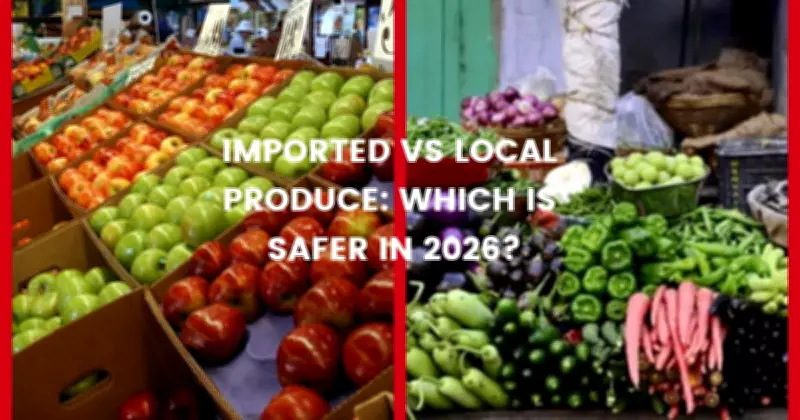
In Nigeria, the debate over whether imported or local food is safer has intensified. While imported foods often appear more polished with sealed packaging and foreign labels, local foods are praised for freshness. However, both categories carry significant safety risks that consumers must understand.
Understanding Imported and Local Food
Imported food includes items brought into Nigeria from other countries, such as foreign rice, frozen chicken, canned goods, noodles, and packaged snacks. Local food refers to items grown or produced within Nigeria, including fresh fruits, vegetables, meat, and grains.
Are Imported Foods Safer?
Many assume imported foods are safer due to strict international production regulations. Developed countries often enforce robust food safety systems for packaging, labeling, and quality control. Once in Nigeria, products must receive NAFDAC approval before sale.
Advantages:
- Better packaging and longer shelf life
- Clear labeling and expiration dates
- Often produced under regulated conditions
Disadvantages:
- Banned or unregulated products like pasta, noodles, and tomato paste may bypass safety checks
- Smuggled frozen foods stored in poor conditions
- Expired products relabeled and resold
- Heat damage during shipping in Nigeria's climate
Is Local Food Safer?
Local food offers freshness, easier access to vegetables, fruits, grains, and meats, and fewer preservatives. However, serious safety concerns exist.
Advantages:
- Fresher and more natural
- Fewer artificial preservatives
- Supports local farmers and the economy
Disadvantages:
- Pesticide residues from farming
- Use of hazardous chemicals like dichlorvos (Sniper) for preservation
- Poor hygiene in open markets
- Contaminated water for irrigation
- Lack of proper storage facilities
Expert Opinion on Food Safety
According to NAFDAC, the greatest risk is not whether food is imported or local, but how it is handled throughout the supply chain. Regulatory bodies emphasize rigorous safety standards, but challenges like inconsistent enforcement, smuggling, and chemical misuse persist.
Which Is Safer?
Neither imported nor local food is inherently safer. Safety depends on origin, storage, and handling before reaching your plate.
Tips for Safer Eating in Nigeria
- Always check expiry dates on packaged foods
- Avoid unusually cheap imported items (may be fake or expired)
- Thoroughly wash vegetables with salt or vinegar
- Buy from trusted sellers in clean environments
- Cook food properly to kill bacteria and residual chemicals
- Look for NAFDAC registration numbers on packaged goods
By adopting these habits, you can reduce risks and make informed choices about the food you consume.