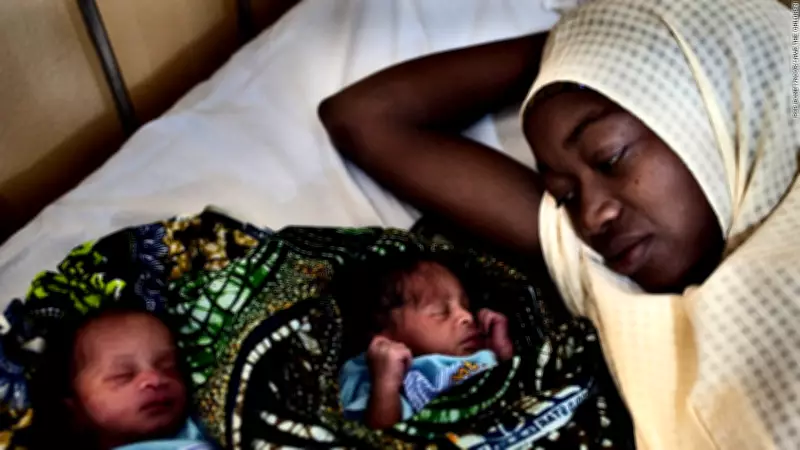
Across many African societies, compassion is not merely an emotion but a moral obligation grounded in collective responsibility. Among the Yoruba people of Nigeria, this ethic is captured in the concept of Àjọṣe, which means working together for mutual care and well-being. This article explores how Àjọṣe can serve as an indigenous cultural framework for promoting compassion in reproductive health. By examining stigma, silence, and structural barriers surrounding reproductive health in Nigeria, this article argues that culturally grounded values such as Àjọṣe can help reframe reproductive health as a shared social responsibility rooted in dignity, empathy, and community support.
Compassion in African Traditions
Compassion is deeply embedded in many African cultural traditions. It is expressed not only through kindness but through collective responsibility and mutual care. Within Yoruba culture, Àjọṣe reflects the understanding that life’s challenges are not meant to be faced alone. When illness strikes, neighbours show up, support is offered, and families step in. In this way, one person’s struggle becomes a concern shared by many. Despite this rich tradition, reproductive health conversations in many African contexts remain fraught with stigma and moral judgment. Issues such as unplanned pregnancy, contraception, and bodily autonomy are often approached with silence or condemnation rather than empathy. Revisiting Àjọṣe offers an opportunity to reframe reproductive health discourse by placing compassion, respect, and shared responsibility at its core.
The Silence Around Reproductive Health
Across many communities in Nigeria and other parts of Africa, discussing reproductive health can still feel risky. Fear and stigma often follow unplanned pregnancies, making it difficult for women to speak openly about their concerns. Disapproval from family members, neighbours, or community elders can deepen feelings of shame and isolation. In some cases, women avoid visiting clinics altogether because they fear being judged. These social barriers compound existing gaps in access to reproductive health services. Low uptake of modern contraceptive methods and unmet family planning needs leave many women navigating reproductive decisions without adequate support. When compassionate guidance and accurate information are unavailable, some women resort to unsafe practices that threaten their health and lives. The consequences are severe. According to the World Health Organisation, Nigeria recorded about 33,000 maternal deaths in 2020, accounting for nearly 20% of global maternal deaths. Beyond individual suffering, stigma weakens the ability of communities to respond with empathy and support.
Àjọṣe: A Framework for Compassionate Care
Àjọṣe offers an alternative approach rooted in solidarity and empathy. It emphasises that hardship affecting one person ultimately affects the community. Applied to reproductive health, Àjọṣe shifts responsibility from the individual to the collective. Women’s reproductive well-being becomes a shared concern requiring understanding, protection, and support. Through this lens, reproductive health services are not merely medical interventions but expressions of communal care. When families respond with understanding and leaders promote compassion instead of judgment, communities create safer spaces for women to seek help and make informed decisions.
Shifting the Conversation
Changing how reproductive health is discussed can make a significant difference. When conversations move away from criticism and toward support, women are more likely to seek medical advice and ask questions without fear of shame. Parents who listen openly can help young girls feel safe discussing their concerns. Community leaders and respected voices can also influence attitudes by encouraging empathy and responsible dialogue. Drawing on cultural values such as Àjọṣe can help bridge sensitive discussions about reproductive health. When communities frame these issues within shared traditions of care and responsibility, it becomes easier to build trust and encourage healthier choices.
Àjọṣe in Action: Storytelling Sparks Compassion
In January 2026, the concept of Àjọṣe was brought to life through Àjọṣe: The Stories That Bind Us, a film event that used storytelling to spark conversation about reproductive health and social stigma. The gathering brought together filmmakers, healthcare professionals, cultural practitioners, and community members to reflect on the realities women face. Stories such as Silence Is Loud highlighted the emotional and social pressures surrounding reproductive decisions. Rather than avoiding difficult topics, audiences engaged in discussions after the screenings, sharing perspectives and listening to one another. The event showed how storytelling can create space for honest dialogue. Films opened conversations about the links between culture, health, and community responsibility. Participants reflected on how individual experiences often mirror broader social challenges and how compassion can reshape those responses. By bringing people together through stories, the movie premiere demonstrated the spirit of Àjọṣe in practice, encouraging listening, reflection, and shared responsibility.
The Power of Storytelling and Communication
The way stories are told influences how societies understand complex issues. Writers, journalists, educators, and filmmakers all play a role in shaping public conversations. Through media, personal experiences can reach wider audiences, challenge misconceptions, and encourage empathy. Stories shared through radio, film, print, or community discussions can gradually shift attitudes toward reproductive health. When people hear real experiences rather than stereotypes, it becomes easier to replace judgment with understanding. Viewing reproductive health through the lens of Àjọṣe highlights how deeply a woman’s well-being affects families and communities. When people respond with care, solidarity, and reliable information, the benefits extend far beyond individuals. Women facing reproductive health challenges need access to accurate information, respectful care, and supportive communities, not silence or stigma.
Conclusion
Àjọṣe reminds African societies that compassion is not optional but essential. Reproductive health cannot be addressed solely through policies or clinics; it requires supportive social environments rooted in dignity, empathy, and shared responsibility. By reclaiming Àjọṣe as a cultural blueprint for compassionate reproductive health, communities can reduce stigma, strengthen trust, and support women in making informed and safe decisions. When understanding replaces judgment, women are empowered to seek care without fear, and healthier, more resilient communities can flourish. This article is from the Leadership Initiative for Youth Empowerment, an organisation whose goals include the empowerment of youths, girls, and other vulnerable females.