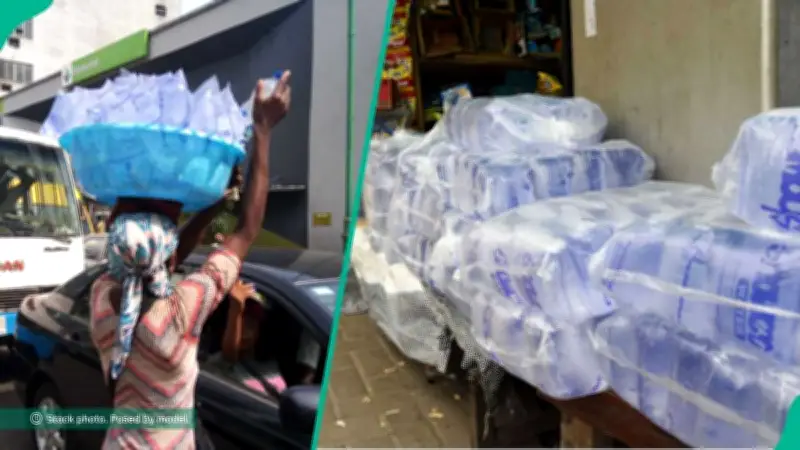
The Association of Table Water Producers of Nigeria (ATWAP) has dismissed reports of an industry-wide strike in Lagos State, clarifying that a three-day sanitation exercise affects only selected areas. The association assured residents that sachet water remains available despite the temporary suspension of production in specific clusters.
Sanitation Exercise Targets Specific Lagos Areas
Omolabake Mosaku, the Lagos State Chairperson of ATWAP, explained in a phone interview with The PUNCH that the exercise was designed to improve water quality, inspect production facilities, and ensure compliance with safety regulations. She noted that factories outside the affected areas continued operations, urging residents not to panic over fears of water scarcity.
“We are not on strike. We are carrying out an exercise to make sure Lagosians are sure of whatever they are taking. Safety first in whatever we do,” Mosaku said.
The affected areas include Agege, Alimosho, Egbeda, Ifako-Ijaiye, AIT, Alagbado, and Iyana Ipaja, where producers agreed to suspend production temporarily to clean their facilities and inspect their operations. The three-day exercise includes sanitation, laboratory testing, and checks to ensure production processes meet required standards before factories resume operations.
Safety Measures and Consumer Protection
According to Mosaku, maintaining hygienic production environments is essential to protecting consumers from contaminated water. She added that the association regularly encourages members to test their products and keep their facilities clean to ensure safe consumption.
Mosaku apologised for any inconvenience the temporary suspension might cause residents but maintained that consumer safety remained the association's priority. The exercise also provides an opportunity for ATWAP to identify operators who fail to meet established production standards, including those operating from unsuitable premises.
She said the association was implementing its “know your neighbour” initiative, which involves checking nearby factories to determine whether they comply with the requirements of the National Agency for Food and Drug Administration and Control (NAFDAC) and the Lagos State Water Regulatory Commission. The inspections cover NAFDAC registration numbers, certificate validity, and compliance with relevant production guidelines.
Illegal Operators and Inspection Strategy
Mosaku warned that some operators might produce sachet water under unhygienic conditions or engage in practices that could compromise water quality. She explained that the association deliberately avoided announcing the exercise beforehand to prevent unregistered operators from shutting down their facilities and escaping inspection.
The exercise would also allow the association to educate non-compliant producers on required standards and ensure they address identified problems before restarting production. Mosaku said the exercise was expected to last three days, although its completion would depend on the executives' confirmation that inspections had covered the affected areas and producers had met necessary requirements.
ATWAP Lagos regularly visited production facilities to discourage unsafe practices and prevent substandard products from reaching consumers. The association maintained that the exercise was a quality-control measure rather than an industrial action, urging residents to remain calm as producers worked to strengthen hygiene and safety standards.