Lagos State has inaugurated a Special Task Force that empowers transport union members to enforce sanitation across bus stops, garages, and major roads, effectively deputising them as what Commissioner for Transportation Oluwaseun Osiyemi called 'waste police.' The move comes despite state officials criticising many of those same unions for poor sanitation within their own garages. While the task force targets indiscriminate dumping, questions remain over whether it will fix the waste collection problems many residents complain about.
Task Force Targets Street-Level Dumping
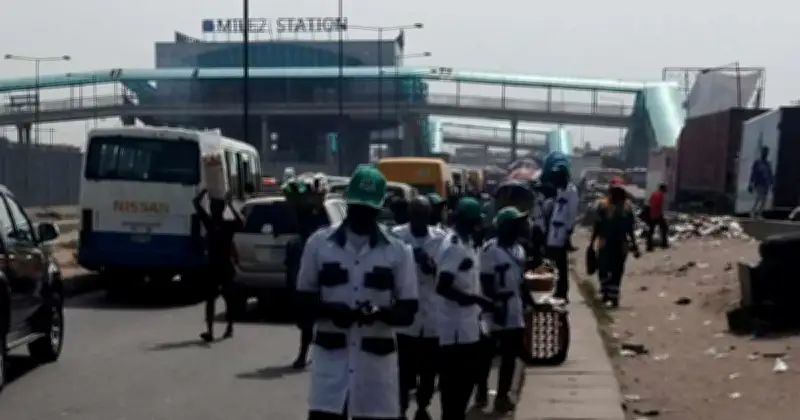
On Saturday, the state government inaugurated the task force, charging members of the National Union of Road Transport Workers (NURTW) and the Road Transport Employers Association of Nigeria (RTEAN) with monitoring bus stops, garages, lay-bys, and major roads against indiscriminate dumping. Osiyemi was blunt: 'We cannot fold our arms while people carry waste from their homes and dump it on roads, medians, and public spaces.'
LAWMA's managing director, Muyiwa Gbadegesin, backed that up with scale: Lagos generates roughly 13,000 tonnes of waste daily, and the state is now leaning on unions that move over 22 million commuters a day to help police that volume. That's a real and visible problem, and it deserves a real fix.
Different Problem from Residents' Complaints
But it's a different issue from the one residents have been raising for months about household waste sitting uncollected for weeks, and PSP operators allegedly dumping that waste illegally rather than at designated sites, all while pushing for higher fees. LAWMA's own numbers—418,500 tonnes evacuated in May, 173 black spots cleared, 474 complaints logged—describe a system technically functioning at scale, even as residents describe streets that stay dirty and drains that stay blocked. The task force, as announced, does nothing to close that specific gap. It's aimed at the street, not at the contract between residents and the operators meant to be serving them.
Credibility Concerns Over Union Enforcement
There's also a credibility issue. The same transport unions now deputised to enforce sanitation were directly criticised in the same meeting for tolerating the problem inside their own garages, including shanties, indiscriminate trading, and unmaintained parks. Osiyemi told them: 'Before you can enforce discipline outside, your own garages and bus stops must be in order.' Asking an actor to police a behaviour it has struggled to control in its own backyard raises a fair question about how seriously the enforcement will be taken once the cameras leave Alausa.
Will the Task Force Solve the Crisis?
For individual litterers tossing trash out of car windows or turning bus stops into dumping grounds, heavy fines paired with visible, consistent enforcement could genuinely work; that's precisely the kind of low-level, high-frequency offence that responds to deterrence once people believe they'll actually get caught. But that's not the whole crisis. The PSP accountability problem—operators failing to collect, then allegedly dumping illegally instead of doing the job they're already paid for—needs contractual enforcement and oversight from LAWMA itself, not union patrols on the street. Lagos doesn't have one waste problem. It has at least two. This task force is only built to fight one of them.