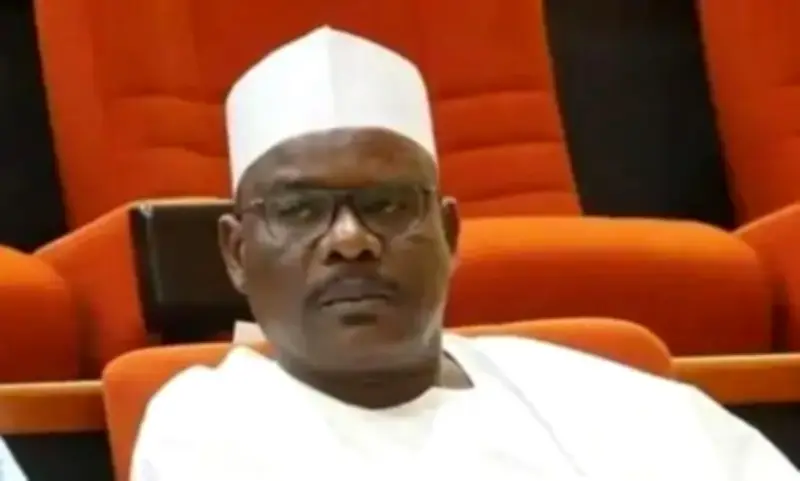
Senator Mohammed Ali Ndume, Chairman of the ECOWAS Parliament Committee on Agriculture, has called on West African governments to allocate at least five per cent of their annual budgets to rural development and renewable energy projects. He argued that less than $1 million can transform a rural community through access to electricity and related infrastructure.
ECOWAS Parliament Meeting in Dakar
Ndume made the call during a joint committee meeting of the ECOWAS Parliament in Dakar, where lawmakers, development finance experts and energy stakeholders examined innovative financing options for renewable energy projects across the sub-region. The Nigerian lawmaker said rural electrification through renewable energy remains financially achievable for governments and could significantly improve agriculture, security, local economies and living standards in underserved communities.
Cost-Effective Solar Projects
Drawing from figures presented during the meeting, Ndume noted that a solar photovoltaic project costing approximately $7.6 million to electrify 50 communities translates to less than $1 million per community. “For less than one million dollars, you can modernise a rural area,” he said. According to the Member of Parliament, providing electricity to rural communities would stimulate economic activities, reduce migration to urban centres and support agricultural productivity.
“Once you do this, you are bringing rural development, security and agriculture. People will have no reason to leave their communities because development will come to them,” he added. Ndume acknowledged the limited legislative powers of the ECOWAS Parliament but urged lawmakers to continue advocating stronger financial commitments to renewable energy and rural development. “We may not have teeth, but we can bite,” he said, pledging to champion similar initiatives in Nigeria.
EBID's Perspective on Financing
The discussions came as the ECOWAS Bank for Investment and Development (EBID) disclosed that renewable energy accounts for only four per cent of its current energy financing portfolio despite the region’s vast renewable energy potential and growing demand for electricity in rural communities. Speaking on the theme, Financing Renewable Energy in Rural Areas: Challenges and Opportunities, EBID representative Maimouna Sidibe said the bank had traditionally focused on financing large-scale grid infrastructure, regional interconnections and mature energy projects with predictable revenues.
She identified weak project preparation, limited bankability, small project sizes, regulatory constraints and inadequate access to guarantees as major obstacles hindering investment in rural renewable energy projects. “The challenge is not the absence of opportunities but making projects financeable and bankable,” she said. Sidibe disclosed that under its 2026–2030 strategy, EBID plans to increase support for solar mini-grids, off-grid systems, hybrid energy plants, small hydropower projects and productive energy initiatives designed to stimulate rural economies.
She added that blended finance mechanisms and the ECOWAS Renewable Energy and Energy Efficiency Facility (EREEEF), for which EBID serves as trustee, would help mobilise private investment and expand electricity access across underserved communities.
Senegal's Renewable Energy Strategy
Earlier, Director-General of Senegal’s National Agency for Renewable Energy (ANER), Prof. Diouma Kobor, called for a fundamental shift in the way renewable energy projects are financed across West Africa. Presenting a paper titled Innovative High-Impact Financing Models for Renewable Energy: What Strategic Choices Should Be Made in Response to the Energy Crisis? Case Study: Senegal, Kobor argued that the region must move beyond isolated projects and develop interconnected, bankable investment portfolios capable of attracting private capital.
He identified growing electricity demand, dependence on imported fossil fuels, grid instability and unequal access to electricity as factors driving the region’s energy crisis. According to Kobor, Senegal is projected to derive about 28 per cent of its electricity generation capacity from renewable sources by 2025 and aims to increase the figure to 40 per cent by 2030 under a €2.5 billion Just Energy Transition Partnership programme.
Kobor advocated blended financing models that combine grants, concessional loans, commercial debt and private equity to lower investment risks and reduce electricity costs. He also urged ECOWAS to establish a regional guarantee mechanism and a dedicated energy infrastructure fund to de-risk renewable energy investments and reduce the cost of capital across member states.
Call for Local Manufacturing and Industrialisation
Vice Chairman of the ECOWAS Parliament Committee on Infrastructure, Hon. Ahmed Munir, also called for climate financing frameworks that promote local manufacturing and industrialisation alongside renewable energy investments. Munir argued that external climate finance should be leveraged to build local industries through partnerships between international manufacturers and domestic companies, while harmonised technical standards and stronger regional coordination would strengthen ECOWAS’ negotiating position.
Conclusion: Need for Stronger Cooperation
Participants at the meeting agreed that despite West Africa’s abundant renewable energy resources, financing gaps, investment risks and weak institutional frameworks continue to impede efforts to provide affordable electricity to millions of people, particularly in rural communities. They stressed that stronger regional cooperation, innovative financing mechanisms and greater political commitment would be critical to achieving universal energy access and accelerating economic development across the sub-region.