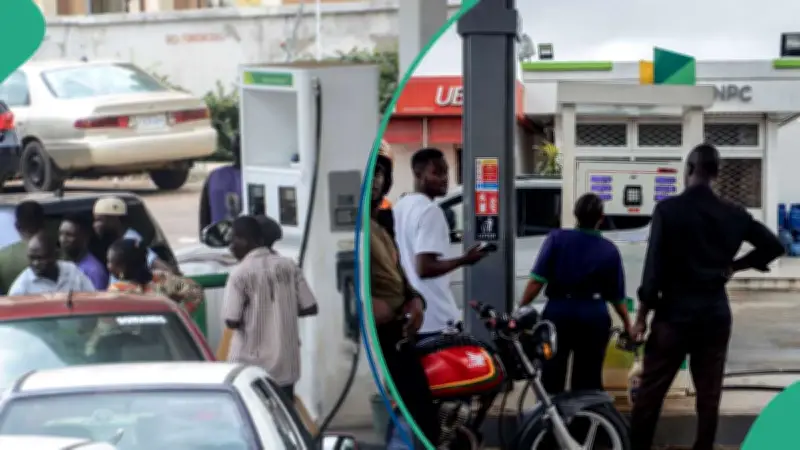
Global crude oil prices have fallen to about $73 per barrel following a peace agreement between the United States and Iran, but petrol prices in Nigeria remain stubbornly high at around N1,205 per litre, leaving many Nigerians frustrated. The Petroleum Products Retail Outlets Owners Association of Nigeria (PETROAN) has urged refiners, depot owners, and importers to reduce prices in line with lower crude oil costs. Industry sources say fuel prices have not fallen further because refiners are still processing crude oil purchased at higher prices during the Middle East conflict.
Crude Oil Prices Drop After US-Iran Peace Deal
Data from Oilprice.com showed that crude oil prices dropped from $76.75 per barrel on Tuesday to $73.50 per barrel on Wednesday, June 23, 2026, marking their lowest level since the US-Iran conflict began earlier this year. The decline has continued since both countries reached a peace agreement on June 14, reducing fears of disruptions to global oil supplies. During the height of the Middle East tensions, crude prices climbed to nearly $120 per barrel, contributing to a steep rise in fuel prices across Nigeria.
Petrol Prices Remain High Despite Lower Crude Costs
Despite the downward trend in crude prices, petrol is still being sold at many filling stations for around N1,205 per litre, leaving motorists questioning why pump prices have not reflected the changes in the international market. Many Nigerians anticipated that with crude now trading around $73 per barrel, petrol prices would fall below N1,000 per litre. However, that expectation has not yet been met. In recent weeks, the Dangote Refinery reduced its ex-depot petrol price by N75 per litre, cutting the rate from N1,250 to N1,175. The adjustment prompted some importers to review their prices downward, though retail pump prices remain relatively high.
Refiners Cite Cost of Earlier Crude Purchases
Industry insiders argue that immediate price reductions may not be feasible. A senior official at the Dangote Refinery, who requested anonymity, explained that the refinery is still processing crude oil acquired at significantly higher prices during the conflict period. According to the source, fuel importers are not currently offering petrol at prices lower than the refinery's prevailing rates, suggesting that many marketers may be waiting for further price adjustments from the refinery before making additional reductions. Meanwhile, global oil prices have continued to soften as traders respond positively to the US-Iran peace agreement. The easing of tensions has reduced concerns over disruptions along the Strait of Hormuz, a critical route for global oil shipments, while reports of improving maritime traffic have further supported the decline in crude prices.
NMDPRA Approves New Fuel Import Licences
Legit.ng earlier reported that the Nigerian Midstream and Downstream Petroleum Regulatory Authority (NMDPRA) approved new fuel import permits for six major marketers for the July–September 2026 period. The approvals cover imports of petrol and diesel to address the tightening fuel supply and low stock levels in the country. Petrol reserves have dropped to about 16 days of cover, prompting efforts to stabilise supply through increased imports.