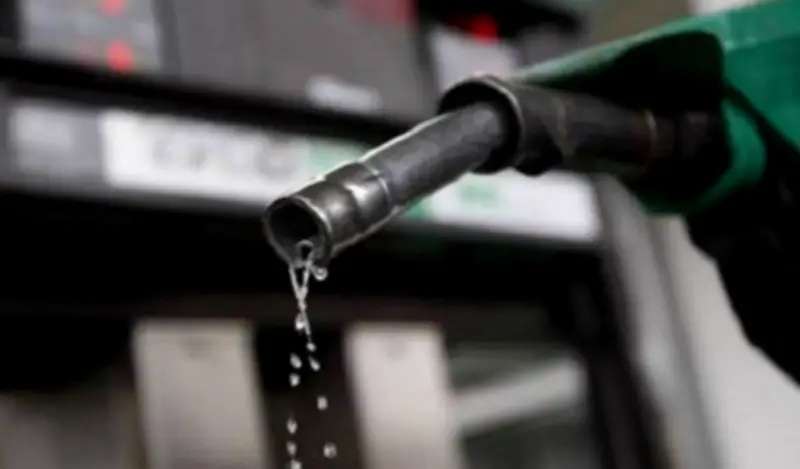
The average retail price of petrol in Nigeria surged to ₦1,596 per litre in May 2025, representing a 6.5% increase from ₦1,498 recorded in April, the National Bureau of Statistics (NBS) has reported. This marks the highest monthly average since the removal of fuel subsidies in May 2023.
Price Variations Across States
The NBS data, published in its latest Premium Motor Spirit (PMS) price watch, showed significant regional disparities. Taraba State recorded the highest average price at ₦1,850 per litre, while Lagos State had the lowest at ₦1,450 per litre. Other high-cost states included Borno (₦1,820) and Yobe (₦1,800).
On a year-on-year basis, the May 2025 price is 15% higher than the ₦1,388 recorded in May 2024, reflecting sustained inflationary pressures on fuel costs. The NBS noted that the price increase was driven by higher global crude oil prices and the depreciation of the naira against the US dollar.
Impact on Consumers and Economy
The rising petrol price has exacerbated cost-of-living challenges for Nigerians, with transportation fares and food prices also climbing. According to the NBS, the average transport fare for bus journeys within cities increased by 8% month-on-month in May. The Nigerian Labour Congress (NLC) has called for urgent government intervention to mitigate the impact on citizens.
"The continuous increase in petrol prices is unbearable for ordinary Nigerians," said NLC President Joe Ajaero in a statement. "We urge the government to consider temporary relief measures, such as subsidized public transport or direct cash transfers."
Government Response and Market Outlook
The Nigerian National Petroleum Company Limited (NNPCL) has defended the price adjustments, citing market realities and the need to attract investment in the downstream sector. In a press release, NNPCL spokesperson Garba-Deen Muhammad said: "The pricing of PMS is now fully deregulated, and prices will continue to reflect global market trends and exchange rate fluctuations."
Analysts predict that petrol prices may remain elevated in the coming months, with the International Monetary Fund (IMF) forecasting an average Brent crude price of $85 per barrel for 2025. The Central Bank of Nigeria (CBN) has also revised its inflation forecast upward, partly due to fuel price increases.
Regional Breakdown and Historical Context
The NBS report highlighted that the South-West zone recorded the lowest average price at ₦1,520 per litre, while the North-East zone had the highest at ₦1,720. This disparity is attributed to differences in transportation costs and local taxes.
Since the removal of fuel subsidies in May 2023, petrol prices have risen from about ₦195 per litre to current levels, a cumulative increase of over 700%. The government has introduced palliative measures, including a ₦5 billion monthly allocation to states for public transport, but critics argue these have been insufficient.