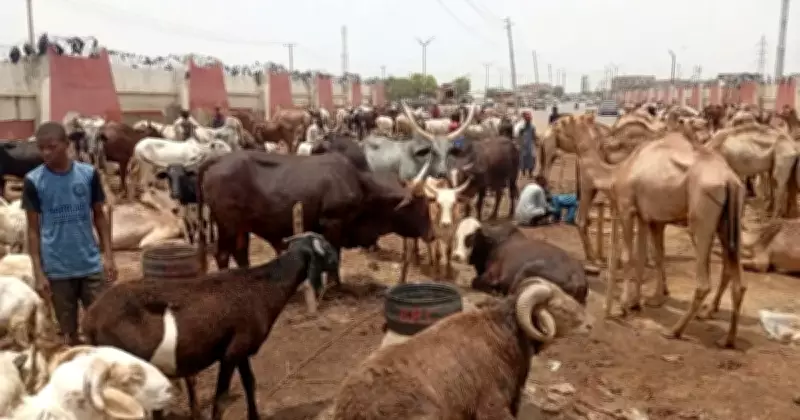
Ram prices have surged to ₦700,000 in Kano, deterring prospective buyers as the Eid-el-Kabir festival approaches. Livestock markets across the city are witnessing low patronage despite ample animal supplies, according to traders and market officials.
Market Conditions
A visit to Goron Dutse and Kofar Nai'sa markets revealed that traders have stocked large numbers of rams, goats, cows, and camels for the celebration. However, the rising cost of living in Nigeria has significantly reduced consumer purchasing power. Many families are delaying or avoiding purchases, hoping for price drops closer to the festival.
Price Breakdown
Alhaji Bashir Sule-Dantsoho, Chairman of the Animal Dealers Association in Kano State, reported that small rams now cost between ₦150,000 and ₦200,000, medium-sized rams range from ₦350,000 to ₦500,000, and larger rams are priced at ₦700,000 and above. Camels sell from ₦500,000 to ₦3 million, while cows and bulls range between ₦600,000 and ₦3 million, depending on size and quality.
Reasons for High Prices
Traders attribute the price hikes to increased costs of animal feed and transportation. Sule-Dantsoho noted that a bag of animal feed that cost between ₦10,000 and ₦13,000 last year now sells for about ₦25,000. Transportation fares have also risen sharply, directly impacting final selling prices.
Trader Perspectives
Livestock dealer Kabiru Mustapha at Kofar Nai'sa market blamed the poor sales on the broader economic hardship affecting Nigerians. He explained that many traders spend days without significant sales, as residents struggle to afford even basic food items. Prices at his market start at ₦150,000 for small rams, with medium and large ones reaching up to ₦550,000. Cows are priced between ₦400,000 and ₦3 million, and camels from ₦500,000 to ₦2.5 million.
Buyer Behavior
Many buyers are holding out until the final days before Eid-el-Kabir, anticipating that sellers will reduce prices due to competition and the need to clear stock. This has contributed to one of the slowest pre-Eid sales periods in recent memory, despite a healthy supply of livestock.
Impact on Families
Prospective buyers expressed concern that rising livestock prices may prevent many Muslim families from participating in the Sallah sacrifice this year. The cost increases come amid high inflation and food prices across Nigeria, adding financial strain on households preparing for the festivities.