Agriculture remains a cornerstone of Nigeria's economy, employing 33.53% of the population according to Statista Research Department in 2025. The country's diverse climate supports numerous agricultural raw materials that fuel manufacturing and boost economic growth.
Key Takeaways
- Farm, forest, cattle, and fishpond produce are raw materials for agro-allied industries.
- In Q3 2025, agricultural exports earned N782,421.62 million (NBS).
- Raw materials include cereals, gum tree, and fruits.
- Finished products: paper, cooking oil, vegetable oil, etc.
List of the Top 10 Agricultural Raw Materials and Their Finished Products in Nigeria
1. Cereals: Flour, Breakfast Cereal, and Seed Oil
Cereals account for over 60% of crops farmed in Nigeria. Major cereals include millet, rice, wheat, maize, and sorghum, grown mainly in savanna regions. They are processed into flour, breakfast cereals, and seed oils.
2. Cotton: Textile Products
Cotton is cultivated in Zamfara, Sokoto, Kebbi, Ogun, and Jigawa states, with annual production averaging 51,000 metric tons. It is ginned and turned into pure cotton and blended fabrics.
3. Fruits: Juice and Fruit Extracts
Nigeria's climate favors fruits like pawpaw, tamarind, pineapples, bananas, mangoes, and guavas. They are sold locally or processed into juices and extracts by food companies.
4. Gum Tree: Chewing Gum, Essential Oils, Food Additives, and Adhesives
Gum trees are grown in northern Nigeria. Their produce is used for beer clouding agents, food stabilisers, emulsifiers, and chewing gum.
5. Oil Palm: Palm Oil, Food Additives, Mats, and Baskets
Nigeria was the world's largest palm oil producer in the 1960s. Oil palms cover about 2.1 million hectares, mostly farmed by smallholders. Products include edible oil, food additives, baskets, and mats.
6. Rubber: Tyres, Rubber Mattresses, and Shoes
Natural rubber cultivation began in 1906; annual output exceeds 50,000 tons. Grown in Bayelsa, Ebonyi, Rivers, and other states, rubber is used for tyres, mattresses, and shoes.
7. Cacao Tree (Cocoa Beans): Cocoa Butter and Chocolate
Nigeria aims to surpass Cote d'Ivoire and Ghana in cocoa production. Cocoa is the second-highest income earner after crude oil, used in beverages, confectionery, and cosmetics.
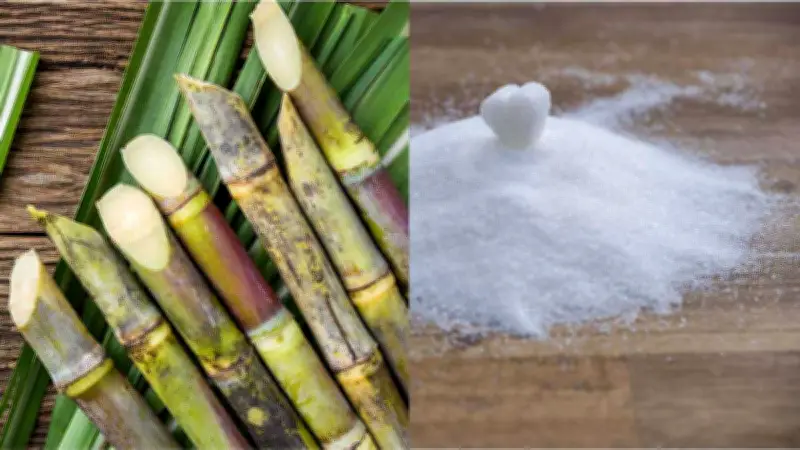
8. Sugarcane: Sugar, Syrup, and Molasses
Sugarcane is grown commercially in Sokoto, Kebbi, Kaduna, and other states. It is processed into sugar, syrups, and molasses. Nigeria has Africa's largest sugar refinery but still imports from Brazil.
9. Tobacco: Cigarettes, Cigars, and Shisha Tobacco
Tobacco is grown in Sokoto, Kwara, Oyo, and Osun states. Leaves are used for cigarettes, cigars, shisha, and pipe tobacco, sometimes aged over 2 years.
10. Trees: Paper, Furniture, and Medicines
Nigeria's tree-growing sector thrives in rainy states. Trees provide raw materials for furniture, paper, and traditional/modern medicines.
20 Agro-Based Industries and Their Raw Materials
- Milling industry: cereals
- Textile industry: cotton
- Leather industry: animal hides
- Additives and confectionery: fruits
- Food processing: gum tree
- Milling: wheat, paddy, rice, millet
- Edible oil industry: oil palm
- Beverage and cosmetic: cacao tree
- Rubber industry: rubber tree products
- Bakery & confectionery: wheat flour, sugar, cocoa, yeast
- Spices & condiments: raw spices
- Sugar industry: sugarcane
- Cigarette industry: tobacco leaves
- Biofuel industry: corn, sugarcane, vegetable oils
- Paper industry: tree pulp
- Dairy industry: raw milk
- Tobacco processing: tobacco leaves
- Nutraceutical & herbal: medicinal herbs
- Fruit canning & juices: orchard fruits
- Meat packing: livestock
List 20 Raw Materials and Their Finished Products in Nigeria
- Cocoa beans: chocolate, cocoa butter, cocoa powder
- Cassava: garri, cassava flour, industrial ethanol
- Oil palm fruit: cooking oil, soap
- Cotton: textiles, clothing, medical cotton wool
- Rubber latex: car tyres, shoe soles, industrial gloves
- Soybeans: soya milk, livestock feed
- Maize: cereal flakes, corn starch, malt drinks
- Wheat: bread, pasta, pastries
- Groundnuts: peanut butter, groundnut oil
- Hibiscus flowers: herbal teas, natural colourants
- Ginger: spiced extracts, seasoning, supplements
- Sugarcane: granulated sugar, molasses, ethanol
- Iron ore: steel rods, beams, roofing sheets
- Limestone: cement, agricultural lime
- Coal: electricity, activated carbon
- Barite: oil well drilling mud, chemical fillers
- Kaolin: ceramic plates, sanitary ware, paper coating
- Gold: jewellery, bullion bars
- Timber: furniture, doors, newsprint paper
- Crude oil: petrol, cooking gas, plastic packaging
What Are the 20 Agricultural Products Exported from Nigeria?
In Q3 2025, agricultural exports earned N782,421.62 million. Exports include cocoa, sesame seeds, cashew nuts, hibiscus flowers, ginger, sorghum, soybeans, rubber, palm oil, groundnuts, cassava, tiger nuts, cotton, moringa, chili pepper, shrimps, timber, yams, pineapples, and garlic.
What Is Nigeria's Staple Food?
Fufu, made from cassava, yams, or plantains, is the most popular staple food.
What Are the Most Common Crops on Nigerian Farms?
Cassava, yams, maize, sorghum, rice, and millet cover over 65% of cultivated land.
This guide covers Nigeria's top 10 agricultural raw materials and their finished products, essential for the economy and industries.