
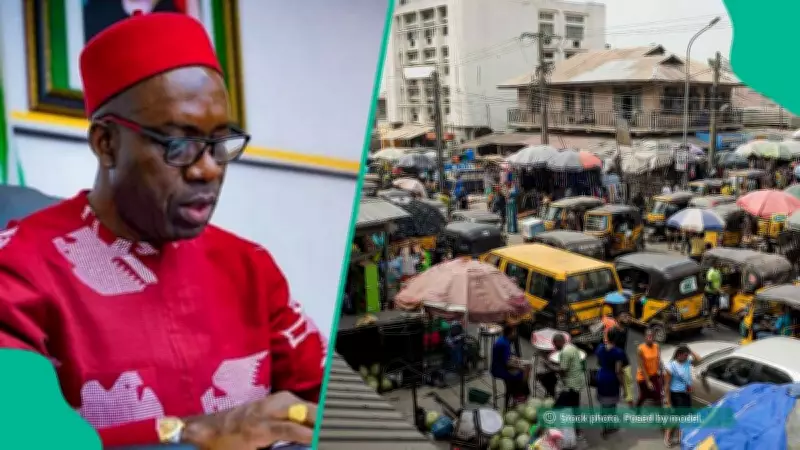
Anambra Traders Plead with Soludo as 10,000 Onitsha Market Shops Face Demolition
Traders at the Onitsha Main Market in Anambra State have made desperate appeals to Governor Chukwuma Charles Soludo, urging him to reconsider the planned demolition of approximately 10,000 shops in the market. The traders argue that this action would jeopardize millions of livelihoods and lead to widespread economic hardship.
Governor's Defense of Market Modernization
Governor Soludo has defended the demolition initiative, stating that it is part of a broader effort to modernize the market and address illegal structures. He expressed regret that many traders have constructed shops on pathways and drainage systems without considering the movement of vehicles and pedestrians. The governor emphasized that his administration aims to restore the market's former glory, which has been compromised by unauthorized constructions.
Soludo initially considered leveling the entire market and rebuilding it as a modern facility within two years. However, after receiving numerous pleas, he opted for a phased modernization approach that will impact several shops but not all. He has set a 14-day ultimatum for traders to vacate the marked shops and warned government officials against approving illegal constructions in the future.
Traders' Desperate Appeals and Warnings
In exclusive interviews conducted at the market, traders voiced their fears and frustrations. Ndubisi Nzewi, a trader on Bright Street, shared his traumatic experience of having his shop demolished twice in Lagos before relocating to Onitsha. He stated, "I used all my savings from Lagos to buy a shop here. If the governor demolishes it, I may have no option but to commit suicide." He pleaded with Soludo to abandon the plan, warning that it could push many traders to early graves.
Egwuonwu Awugosi, a trader on Johnson Street, recounted how his home and pharmaceutical shop were burned in Borno State, forcing him to return to Anambra. With financial help from friends, he acquired a shop at Onitsha Main Market to rebuild his life. He begged the governor not to demolish the shops, as it would leave traders destitute and begging on the streets.
Widespread Impact on Livelihoods
Another trader, who requested anonymity due to fear of victimization, insisted that his shop was legally procured with approval from a government official. He questioned why it was now labeled illegal and marked for demolition. He emphasized that demolishing 10,000 shops would affect not just the shop owners but also their families, employees, and customers—potentially impacting over 10 million people directly and indirectly.
He explained, "If these shops are demolished, it will affect wives, children, office assistants, extended family members, parents, and customers across the federation. A multitude of people depend on these traders for their survival." Other traders echoed this sentiment, urging Soludo to consider the current economic challenges in Nigeria before proceeding with the demolition.
Previous Resistance to Market Shutdown
This is not the first time traders have resisted Soludo's directives. In a related incident, Onitsha Main Market traders previously refused to comply with a governor-ordered market shutdown, arguing that it amounted to collective punishment. They continued trading despite the order, advocating for dialogue rather than enforced closures to resolve issues.
The traders' pleas highlight the tension between urban development initiatives and the preservation of livelihoods in one of West Africa's largest markets. As the 14-day ultimatum approaches, the fate of thousands of shops and the families that depend on them hangs in the balance.




