UN Agencies Issue Stark Warning on Extreme Heat Impacting Global Agriculture
The Food and Agriculture Organisation of the United Nations (FAO) and the World Meteorological Organisation (WMO) have jointly expressed deep concerns regarding the escalating threats posed by extreme heat events to agri-food systems worldwide. In a new report titled "Extreme heat and agriculture," released to coincide with Earth Day on April 22, these UN bodies detailed how the frequency, intensity, and duration of such heat events have surged dramatically over the past fifty years, creating significant risks for ecosystems and food production.
Rising Heat Endangers Agricultural Workers and Livelihoods
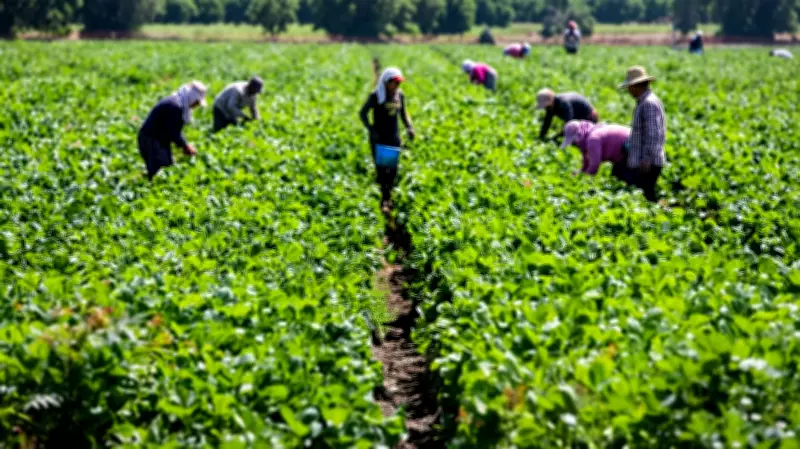
According to the report, extreme heat is taking a severe toll on agricultural laborers, with projections indicating that the number of days annually when it becomes too hot to work could soar to 250 in regions such as most of South Asia, tropical Sub-Saharan Africa, and parts of Central and South America. This phenomenon threatens the livelihoods, health, and labor productivity of over a billion people, placing agricultural workers and agri-food systems at the forefront of climate-related vulnerabilities.
Impacts on Crops, Livestock, and Wildfires
The document emphasizes that the effects of extreme heat are context-dependent, varying based on timing and location. For livestock, stress begins at temperatures above 25°C, with chickens and pigs being particularly vulnerable due to their inability to cool through sweating. Most major crops experience yield declines above 30°C, although some, like potatoes and barley, are affected at lower thresholds. Additionally, the study reveals a strong correlation between heat waves and wildfires, leading to longer and more intense fire seasons that further jeopardize agricultural lands.
Adaptation Strategies and Policy Recommendations
Key recommendations from the FAO-WMO report focus on the urgent need for innovation and the implementation of adaptive measures. These include:
- Selective breeding and crop choices tailored to new climate realities.
- Adjusting planting windows to avoid peak heat periods.
- Altering management practices to shield crops and agricultural activities from extreme heat impacts.
The report underscores that early warning systems are a critical tool in helping farmers respond effectively to intense heat events. Furthermore, access to financial services—such as cash transfers, insurance, payment schemes, and shock-responsive social protection programs—is essential to support all categories of adaptation options.
Leadership Perspectives on the Crisis
FAO Director-General QU Dongyu commented on the findings, stating, "This work highlights how extreme heat is a major risk multiplier, exerting mounting pressure on crops, livestock, fisheries and forests, and on the communities and economies that depend upon them." WMO Secretary-General Celeste Saulo added, "Extreme heat is increasingly defining the conditions under which agrifood systems operate, acting as a compounding risk factor that magnifies existing weaknesses across agricultural systems. Early warnings and climate services like seasonal outlooks are vital to help us adapt to the new reality."
The report serves as a comprehensive analysis, covering the physical science of extreme heat, vulnerabilities, observed and projected impacts on agriculture, adaptation strategies, case studies, and policy recommendations, all aimed at addressing the interconnected challenges of climate change, food security, and ecosystem health.