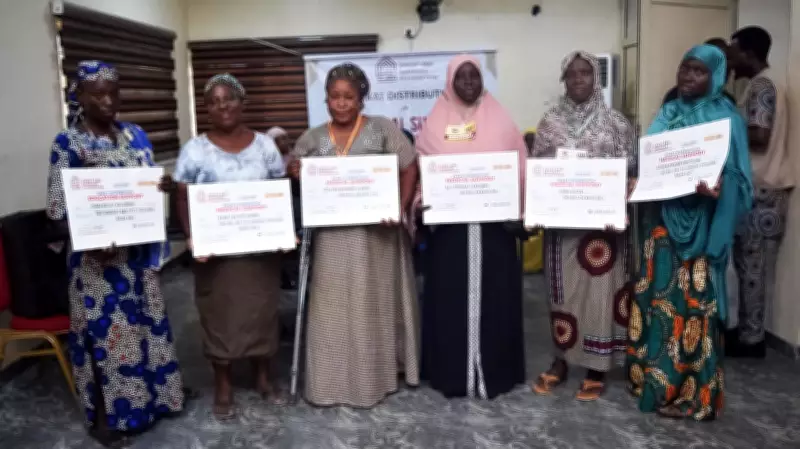
The Zakat and Sadaqat Foundation (ZSF) has officially launched its 2026 nationwide distribution exercise, disbursing over ₦205,603,000 to provide critical medical care, educational support, and welfare assistance to indigent Nigerians. The ceremony, held at Hajj Mbarur Hall in Anthony, Lagos, marks a significant milestone in the foundation's ongoing humanitarian mission to bridge the gap for the country's most vulnerable populations.
Strategic Allocation of Funds
Speaking at the event, the Executive Director and CEO of the Foundation, Prince Sulayman Olagunju, detailed the strategic allocation of the funds aimed at tackling immediate and long-term challenges. He stated that ₦85.08 million was distributed among 64 beneficiaries to cover costs for critical healthcare needs. Additionally, ₦19.55 million was awarded to 67 students to ensure their academic pursuits remain uninterrupted by financial constraints.
Over the last two months, the foundation reached more than 30,000 households with food packs and cash support valued at ₦105 million. Including today's intervention, the foundation has disbursed a cumulative ₦209.63 million across its programmes in recent weeks.
Core Islamic Values
Prince Olagunju emphasized that the initiative is rooted in the core Islamic values of compassion, responsibility, and solidarity. He noted that the distribution is not merely a ceremony but a calculated effort to empower individuals and ease the crushing financial burdens many families face. "Access to quality healthcare and education remains vital to human dignity and societal progress. We encourage our beneficiaries to make the best use of this opportunity and, by Allah's grace, become contributors to society in the future," he said.
The CEO also expressed gratitude to the donors, partners, and volunteers whose contributions sustain the foundation's expanding reach. He reaffirmed that ZSF remains committed to the highest standards of transparency and accountability in its operations.
Community Support
The event was well-attended by religious scholars and community leaders, who lauded ZSF for its consistent role in poverty alleviation. Beneficiaries expressed profound relief, noting that the intervention arrived at a time of significant economic need.