Aviation Analyst Proposes Passenger Pooling System to Tackle Fuel Cost Crisis
In response to the escalating aviation fuel prices and persistent low-load factors on domestic routes, aviation analyst Alex Nwuba has put forward a novel proposal for Nigerian airlines. He suggests implementing a regulator-supervised passenger pooling system as a temporary measure to curb mounting losses and optimize operational costs.
Rising Fuel Costs and Systemic Inefficiencies
The suggestion comes against the backdrop of a dramatic increase in aviation fuel prices, which have reportedly surged by close to 300 percent since February 28, coinciding with the onset of the Middle East conflict. In an interview with The Guardian in Lagos, Nwuba highlighted the unsustainable nature of the current operating model, where multiple airlines deploy nearly empty aircraft on identical routes within the same time windows.
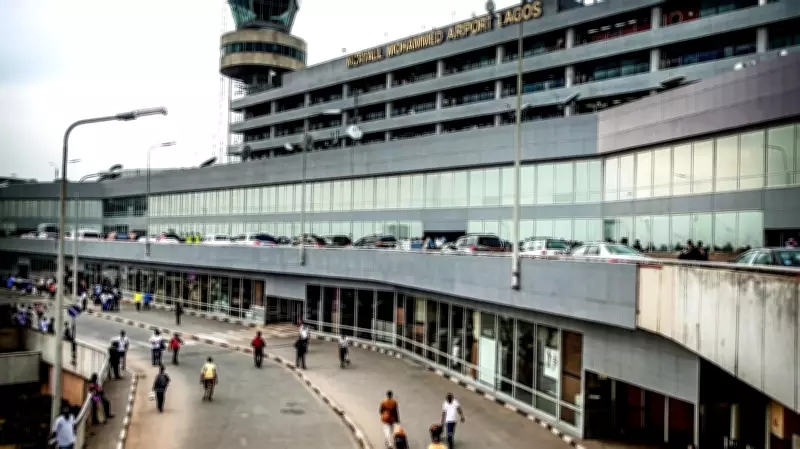
"The Lagos-Abuja route exemplifies systemic inefficiency," Nwuba explained. "On a typical morning, as many as eight airlines schedule flights simultaneously, yet many struggle to fill their seat capacities. This is not healthy competition; it is a structural flaw that drains resources, accelerates financial losses, and weakens the entire aviation ecosystem."
Proposed Framework for Passenger Pooling
To address these challenges, Nwuba advocates for a coordinated framework under the supervision of the Nigeria Civil Aviation Authority (NCAA). This system would aggregate passenger bookings across airlines within defined time windows and assign operating responsibilities based on actual demand. Key features of the proposal include:
- Commercial Independence: Airlines would continue to sell tickets, market their brands, and manage customer relationships.
- Operational Coordination: Decisions on which carrier flies a particular route and schedule would be centrally coordinated to avoid duplication.
- Passenger Protection: Travelers purchasing tickets from one airline could be flown by another without losing loyalty benefits or customer protections, mirroring global practices like code-sharing and interline agreements.
Allocation Mechanisms and Regulatory Safeguards
Nwuba outlined multiple options for allocating flight operations within the pooled system:
- A rotational model among participating airlines.
- A demand-based system where the carrier with the highest bookings operates the flight.
- An auction mechanism allowing airlines to bid for operating rights, with compensation frameworks for non-operating carriers.
He emphasized that the proposal is strictly a crisis-response mechanism, not a permanent market restructuring. "No airline can survive flying a 100-seat aircraft with two passengers onboard," Nwuba warned. "Continuing this pattern amid current conditions will lead to insolvency."
Drawing parallels to other markets, Nwuba noted that similar coordination models have been deployed during periods of disruption, such as capacity consolidation among European carriers during downturns and structured route allocation systems in the United States.
Ensuring Transparency and Stability
To ensure the system's effectiveness, Nwuba stressed the need for strict regulatory safeguards, including:
- Transparent data-sharing protocols.
- A neutral technology platform for flight allocation.
- Clearly defined consumer rights protections.
Participation could be structured as either voluntary or mandatory, depending on industry consensus, but the overriding goal is to stabilize the sector during a period of acute financial strain. "With proper oversight, this model will not distort the market," Nwuba concluded. "It will correct inefficiencies that are currently threatening the survival of multiple carriers."