
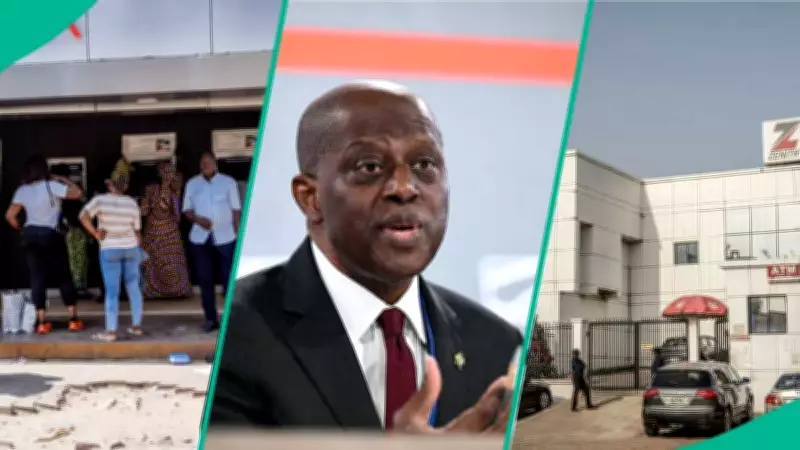
32 Nigerian Banks Achieve Recapitalization Target Before Deadline, CBN Reports
The Central Bank of Nigeria (CBN) has announced that thirty-two banks operating within the country have successfully met the new capital requirements established under the ongoing recapitalization program, achieving this milestone ahead of the March 31, 2026 deadline. This significant development was disclosed by CBN Governor Olayemi Cardoso during the Monetary Policy Forum held in Abuja on Thursday, March 27, 2026.
Banking Sector Raises N4.61 Trillion in Fresh Capital
According to official data released by the apex bank, Nigerian financial institutions have collectively raised an impressive N4.61 trillion in new capital through the recapitalization initiative. Notably, approximately twenty-seven percent of these funds originated from foreign investors, demonstrating growing international confidence in Nigeria's banking sector and strengthening the institutions' capacity to absorb economic shocks while expanding their operational capabilities.
The substantial capital injection has significantly enhanced the banking sector's resilience, positioning financial institutions to better support long-term investments and contribute meaningfully to Nigeria's ambitious goal of building a $1 trillion economy. Governor Cardoso emphasized that this progress reflects improved strength within the country's financial system, which is now better equipped to withstand economic pressures and support sustainable growth.
Monetary and Foreign Exchange Reforms Yield Positive Results
Cardoso explained that the recent banking reforms were implemented in response to significant economic challenges inherited in 2023, including rising inflation rates, foreign exchange instability, and persistent supply constraints. Inflation had climbed to 29.9 percent in January 2024, primarily driven by escalating food prices and exchange rate pressures.
To address these issues, the CBN adopted a tight monetary policy stance in 2024, raising interest rates by 875 basis points from 18.75 percent to 27.50 percent to control inflationary pressures. As economic conditions gradually improved, the bank subsequently eased rates to 27.0 percent in September 2025 and further reduced them to 26.5 percent in February 2026.
Foreign Exchange Reforms and Improved Market Stability
On the foreign exchange front, the CBN implemented comprehensive reforms that included clearing over $7 billion in backlog and introducing a more transparent willing-buyer, willing-seller system. These measures have yielded substantial results, with diaspora remittances increasing from approximately $200 million to $600 million monthly, with a target of reaching $1 billion per month by 2026.
The parallel market premium has narrowed to below 2 percent, while Nigeria's external reserves have shown remarkable improvement, rising from $38.34 billion in February 2025 to $50.12 billion in February 2026. These developments have contributed to enhanced exchange rate stability and strengthened foreign exchange liquidity, enabling Nigerians to resume international card transactions with greater confidence.
Enhanced Financial Inclusion and Payment Systems
The CBN has also introduced significant improvements to the national payments system, including migration to global standards and implementation of stronger fraud management systems. Initiatives such as the Consumer Complaints Management System and the Women's Financial Inclusion Dashboard have expanded access to financial services for previously underserved populations.
These combined efforts have contributed to a substantial decline in inflation from 34.8 percent in December 2024 to 15.06 percent in February 2026, marking significant progress toward price stability.
Global Recognition and Improved Investor Confidence
The comprehensive reforms implemented by the CBN have attracted positive global recognition, with international rating agencies upgrading Nigeria's economic outlook in 2025. Additionally, Nigeria successfully exited the Financial Action Task Force (FATF) grey list, while the International Monetary Fund (IMF) has commended the CBN's policy direction and implementation strategies.
Governor Cardoso highlighted additional banking sector reforms, including stricter lending regulations, implementation of a risk-based capital framework, and enhanced supervisory systems supported by advanced digital tools.
Cautious Outlook Amid Continued Progress
Despite these significant gains, the CBN maintains a cautious outlook, with plans to further reduce inflation to single digits and sustain exchange rate stability. Cardoso warned that global uncertainties, including geopolitical tensions and oil price volatility, along with domestic challenges such as food supply constraints, could potentially impact economic progress.
However, the governor expressed optimism that Nigeria's economy will grow by 4.49 percent, supported by ongoing reforms and improved policy coordination between monetary and fiscal authorities, financial institutions, and the private sector.
Assurance of Banking Sector Stability
The CBN has reassured Nigerians that the country's banking sector remains stable and secure amid the ongoing recapitalization exercise. The apex bank has clarified that customer deposits are fully protected and that banking operations continue without disruption. Officials have emphasized that the March 31, 2026 deadline for recapitalization does not pose any risk to customers, with all necessary measures in place to ensure financial system stability.
The Monetary Policy Forum, marking its first edition for 2026, was organized to promote greater engagement with stakeholders and encourage more inclusive policymaking processes. Governor Cardoso stressed that maintaining macroeconomic stability requires continued collaboration among all economic actors, including monetary and fiscal authorities, financial institutions, and the private sector.




