
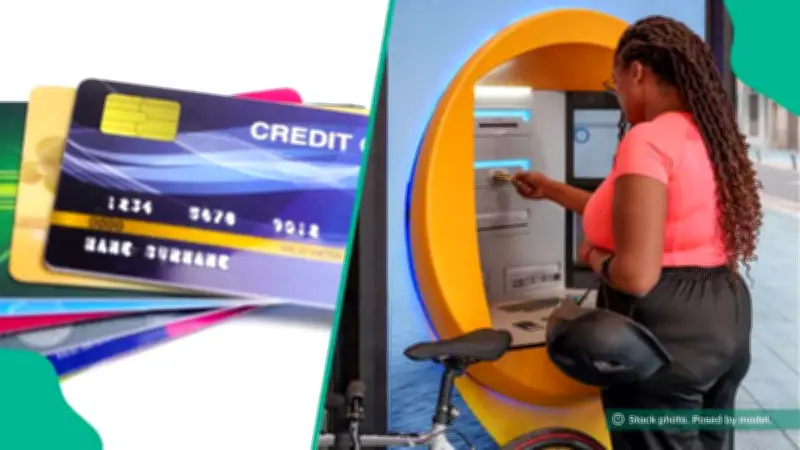
Nigerian banks are increasingly restoring and expanding international spending limits on naira debit cards, reflecting improved foreign exchange (FX) liquidity and growing confidence in the country's financial system. This shift marks a major reversal from recent years, when severe dollar shortages forced lenders to suspend or significantly restrict overseas transactions on naira cards.
The development is being driven by stronger FX inflows, reforms in the foreign exchange market, and efforts by the Central Bank of Nigeria (CBN) to stabilise the economy. Industry observers say the trend highlights a gradual recovery in Nigeria's external sector and a more comfortable supply of foreign currency within the banking system.
FX Reforms Boost Liquidity
For much of the past three years, Nigerians travelling abroad, studying overseas, shopping online or paying for international services struggled to access foreign exchange through official channels. Banks imposed strict limits on international card transactions as dollar supplies dwindled, forcing many customers to seek alternatives or buy foreign currency from the parallel market at significantly higher rates.
The situation has improved considerably in recent months. Increased portfolio investments, diaspora remittances, non-oil export earnings and renewed investor confidence have strengthened foreign exchange inflows, easing pressure on the banking sector's dollar reserves.
Much of the improvement has been linked to reforms introduced by the CBN under Governor Olayemi Cardoso. When the current leadership assumed office in October 2023, the economy was grappling with acute FX shortages, exchange-rate distortions and weak investor confidence. To address these challenges, the apex bank implemented a series of measures aimed at improving transparency and attracting foreign capital.
The CBN also cleared more than $7 billion in outstanding FX obligations and introduced policies designed to channel more foreign currency through official routes, including support for diaspora remittances, the licensing of additional International Money Transfer Operators (IMTOs), and the adoption of a willing-buyer willing-seller framework.
Banks Raise International Card Limits
As liquidity conditions improved, banks gradually resumed international transactions on naira cards and began increasing spending limits.
Guaranty Trust Bank (GTBank) recently raised the quarterly international spending limit on its naira cards to $20,000, assuring customers of reliable access to dollar funding for online and Point of Sale transactions.
United Bank for Africa (UBA) has also reactivated international transaction capabilities on its premium naira cards, including Gold, Platinum and World variants, enabling customers to make payments online, withdraw cash from ATMs and complete purchases abroad.
Similarly, Wema Bank restored international payment functionality on its naira Mastercard, allowing customers to transact on global platforms such as Amazon, Netflix, Spotify, YouTube and eBay.
FirstBank has likewise resumed international spending on its naira Mastercard within approved limits. The bank has also expanded its premium offerings through a partnership with Visa, introducing the Visa Signature card for high-net-worth customers and frequent international travellers.
The return of international spending on naira cards is expected to ease transactions for Nigerians travelling for business, education, healthcare and tourism while improving access to global digital services and e-commerce platforms. The development also signals growing stability in Nigeria's foreign exchange market and broader confidence in the country's economic recovery.
FG Tackles Exchange Rate Issue with New Initiative
Meanwhile, Nigeria and Japan have launched a strategic venture capital initiative aimed at providing naira-based financing to high-growth companies. The goal of this effort is to offer long-term, concessional finance that shields businesses from exchange rate fluctuations. As part of finalising the fund's structure, the Nigerian government held discussions with officials from the Japan International Cooperation Agency (JICA) and the Nigeria Sovereign Investment Authority (NSIA) in Abuja.




