
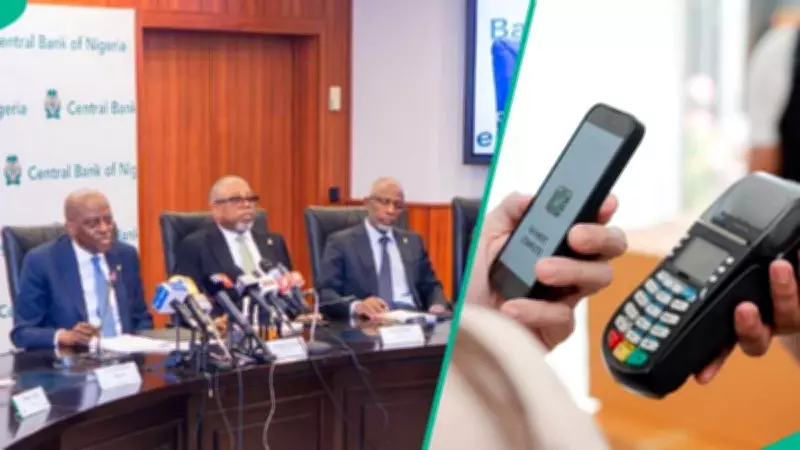
The Central Bank of Nigeria (CBN) has announced plans to review transaction-related fees imposed by commercial banks, a move that could bring relief to Nigerians experiencing excessive bank charges and multiple debit alerts. The decision follows a rise in complaints from bank customers about confusing debit alerts and multiple deductions.
Review of Bank Charges
CBN Governor Olayemi Cardoso revealed this at a press conference after the 305th Monetary Policy Committee (MPC) meeting on Wednesday, May 20, in Abuja. According to him, one key issue being examined is the multiplicity of bank alerts sent to customers. The apex bank has created a quarterly framework of engagements with its consumer protection department, deposit money banks (DMBs), and the top 10 microfinance banks to tackle pending customer complaints and improve banking services.
Cardoso described the review as a work in progress and hinted that recommendations were expected from the MPC to simplify customer alerts and boost transparency. He said the CBN's consumer protection department has been consistent in engaging with banks to strengthen the framework on complaint resolution. He noted that banks typically send multiple alerts and notifications for customer transactions, and suggested these messages could be consolidated so customers can easily understand what each debit is for, instead of receiving many separate notifications that cause confusion.
Stamp Duty Is Not a Bank Charge
The CBN governor also explained that the N50 stamp duty deduction is not a bank-imposed charge. He said the levy originates from tax authorities, while banks only collect and remit it to the appropriate government account. He added that customers who believe they have been wrongly charged should first contact their bank, and if the issue is not resolved, escalate it to the CBN's consumer protection department.
Cardoso also said the CBN had strengthened its compliance function to monitor market conduct and conduct risk across banks. He stated that the apex bank was reviewing how deposit money banks handle complaints, compensate affected customers, and manage customer-related risks. He emphasized the need to continuously review the framework that different deposit money banks use, focusing on both compliance and customer experience to minimize recurring complaints in the banking system.
CBN Issues Instructions on Failed Transactions
Earlier, the CBN directed banks and other financial institutions to begin submitting monthly reports on failed electronic transactions across all digital platforms. Failed transactions are to be submitted to designated CBN email addresses, reinforcing the apex bank's push to improve transparency and ensure closer monitoring of recurring service failures that have long frustrated customers. A major highlight of the new framework is the introduction of caps on several banking charges, alongside stricter disclosure requirements.




