
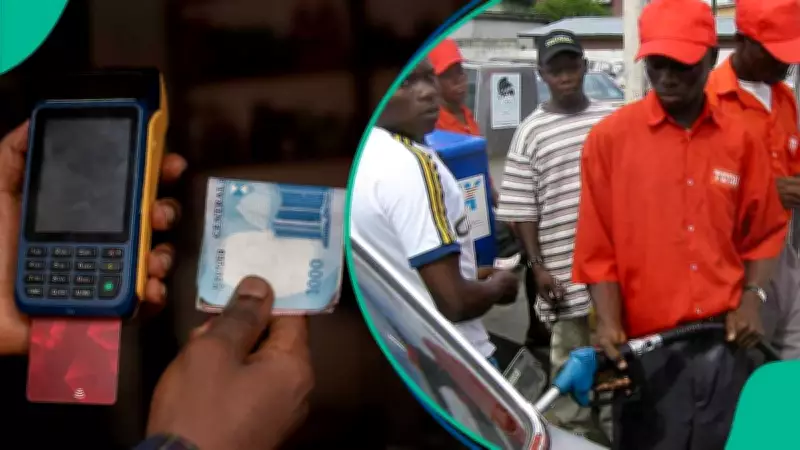
Digital Payments Now Account for 43% of Fuel Transactions in Nigeria, Moniepoint Study Finds
A significant transformation is underway in Nigeria's downstream oil and gas sector, as digital payment channels now account for 43% of all fuel transactions, according to a comprehensive new case study released by financial services platform Moniepoint. This finding underscores a substantial and growing shift away from traditional cash-based payments, reflecting broader trends in financial inclusion and technological adoption across the country.
Widespread POS Adoption at Petrol Stations
The report, titled "Fuelling the Nation: How Moniepoint Powers Nigeria's Oil and Gas Industry," provides detailed insights into payment systems, credit access, and inventory management practices among petrol station operators nationwide. A key revelation is that 90.9% of petrol stations now depend on point-of-sale (POS) terminals for their daily operations, establishing digital payments as a standard and integral component of business in this critical sector.
Petrol stations remain central to Nigeria's transport and energy ecosystem, particularly in communities with limited access to alternative energy sources. The study notes that over 90% of passenger and freight movement in Nigeria occurs by road, with stations collectively dispensing an estimated 41 to 47 million litres of petrol daily. Despite this vital role, operators continue to grapple with significant financial and structural challenges that impact their efficiency and sustainability.
Liquidity Challenges and Settlement Delays
One of the most persistent issues identified in the Moniepoint study is the T+1 settlement cycle, where funds from card transactions are made available only the next day. In an industry characterized by tight profit margins and frequent restocking requirements, this delay can lead to severe liquidity shortages, often resulting in fuel shortages—commonly referred to as "dead tanks"—and substantial lost revenue for station owners.
To address this critical liquidity gap, Moniepoint has introduced a same-day settlement solution designed to allow station owners immediate access to funds. This innovation enables them to pay suppliers promptly and maintain a steady fuel supply, thereby mitigating operational disruptions. The report further highlights that access to credit remains a major hurdle, with one in three petrol station owners citing it as their biggest recurring challenge.
Credit Access and Digital Transformation
Moniepoint has disbursed millions of naira in working capital loans to fuel retailers, achieving an impressive 99.81% repayment rate. According to the study, nearly three in five petrol stations have transitioned from cash-based and manually operated models to digitally enabled businesses. This shift provides them with enhanced access to payment infrastructure and growth capital, fostering greater operational efficiency and resilience.
Babatunde Olofin, Managing Director of Moniepoint Microfinance Bank, emphasized the report's goal of supporting policy discussions and offering data-backed insights into Nigeria's downstream sector. "With data from business transactions and our management tools, petrol stations can plan inventory more effectively, know when to restock, and ensure operations run smoothly to serve more customers," Olofin stated. He added that expanding access to financial tools for fuel retailers would strengthen distribution networks and contribute to a more efficient and inclusive energy system.
Broader Implications and Regulatory Context
This downstream oil and gas case study follows earlier reports by Moniepoint covering various sectors, including family-owned businesses, open markets, community pharmacies, women-led enterprises, and agriculture in the North-East. Moniepoint processes billions of naira in transactions monthly and provides payment, banking, credit, and business management solutions to millions of businesses nationwide, positioning it as a key player in Nigeria's financial inclusion initiatives.
The findings come amid regulatory developments, such as the Central Bank of Nigeria (CBN) granting national operating licences to several fintech companies and microfinance banks, including Moniepoint and Opay. These approvals are expected to enable expanded agent networks, nationwide outlets, and scaled digital banking services, though the CBN has stressed that all beneficiaries remain under strict regulatory oversight to ensure stability and compliance.




