The Federal Government has acknowledged that Nigeria's ₦70,000 national minimum wage no longer reflects the country's current economic realities, signalling that workers' pay will be reviewed when the next wage negotiation begins.
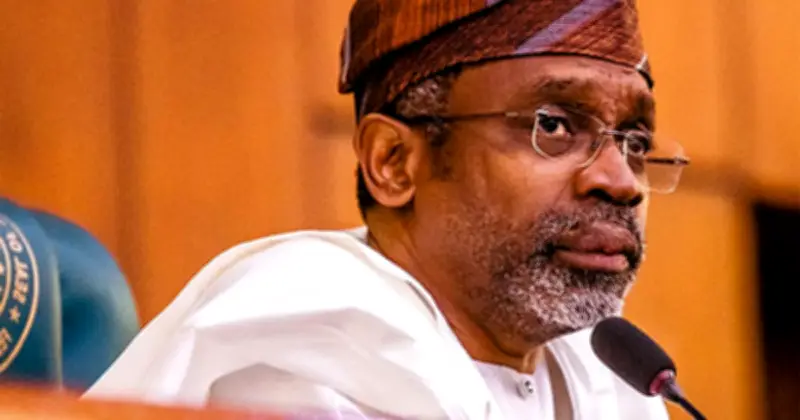
The Chief of Staff to the President, Femi Gbajabiamila, made this known on Thursday while speaking at the Good Governance Summit 2026, organised by Working People United (WoPU) in Abuja. His comments come amid growing calls from organised labour for a fresh wage review, with workers arguing that inflation and the rising cost of living have significantly eroded the value of the current minimum wage.
Gbajabiamila calls for honest reassessment of ₦70,000 wage
Gbajabiamila said the Tinubu administration introduced the ₦70,000 minimum wage in 2024 after increasing it from ₦30,000 and reducing the statutory review cycle from five years to three years to ensure wages keep pace with changing economic conditions. However, he admitted that economic realities have changed.
"The ₦70,000 wage, which was a milestone in 2024, must be honestly reassessed against today's realities," Gbajabiamila said. He added that when the review process begins, the Federal Government will not treat organised labour as an opponent. "I can confirm to you that when the time comes to begin the process of reviewing the national minimum wage, this administration will approach that endeavour not as an adversary of labour, but as a partner."
He also urged labour unions to continue engaging the government through dialogue, saying cooperation would produce better outcomes for workers and the economy than confrontation.
NLC says ₦70,000 unsustainable under present economic situation
Speaking on behalf of the Nigeria Labour Congress (NLC), Acting General Secretary Benson Upah said workers can no longer survive on the current wage. "The truth is that ₦70,000 is not sustainable under the present economic situation. Workers are under immense pressure."
The NLC said it intends to formally engage the Federal Government to begin negotiations for a new wage ahead of the 2026 review deadline.
FG yet to announce new minimum wage
Although the government has indicated that a review is due, it has not announced a new national minimum wage or approved any salary increase. Under Nigeria's wage-setting process, any new minimum wage must first be negotiated between the Federal Government, organised labour and employers before a bill is transmitted to the National Assembly for approval and signed into law by the President.
States already paying above ₦70,000
Several state governments have already adopted minimum wages above the national benchmark. Among them are: Lagos – ₦85,000, with plans previously announced to move to ₦100,000; Rivers – ₦85,000; Bayelsa, Enugu, Niger and Akwa Ibom – ₦80,000; Imo – ₦104,000 following a recent wage review; Ogun and Delta – ₦77,000; Benue and Osun – ₦75,000.
What it means for Nigerian workers
The government's acknowledgement that the current wage no longer reflects economic realities is expected to strengthen labour's push for a higher national minimum wage. However, workers should note that no increase has been approved yet. The review process is expected to involve negotiations between the Federal Government, labour unions and employers before any new figure is announced and implemented. With inflation continuing to squeeze household incomes, the upcoming talks are likely to become one of the most closely watched labour negotiations in Nigeria this year.