
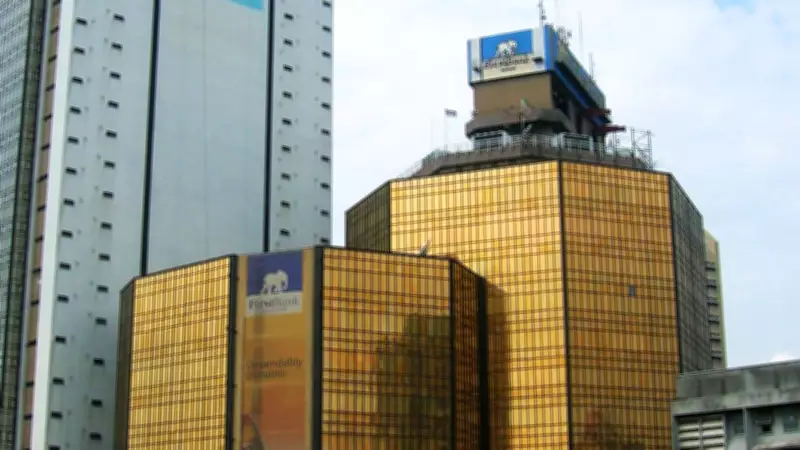
Analysts often urge Nigerian banks to deploy capital and loans to the real sector, but simply pushing for more lending is like holding a fully laden tray by one handle—balance is difficult to maintain. While lending is a core banking function, the state of the economy, including inflation and disposable income, determines whether debtors can meet their obligations. In 2019, the Central Bank of Nigeria (CBN) raised the loan-to-deposit ratio to 65%, requiring banks to lend that proportion of customer deposits. Failure incurred a penalty of 50% of the shortfall held as an extra credit reserve. This threshold has since been reduced to 50%. Despite this, some banks chose to maintain clean books by selectively approving loans and accepting penalties, while others struggled with delinquent debtors.
Legacy of Bad Loans
The Asset Management Corporation of Nigeria (AMCON) continues to chase debtors with a loan book exceeding N4 trillion, operating past its sunset date. Nigeria's tier-one banks—FUGAZ (First Bank, United Bank of Africa, Guaranty Trust Bank, Access Bank, and Zenith Bank)—reported huge impairment charges in 2025, indicating potential loan recovery issues. First Bank was significantly affected. However, the Q1 2026 financials show a bold step away from weak recovery systems. Net interest income grew over 20% to N439 billion.
Impact on Stakeholders
A weak loan recovery system affects depositors, loan applicants, shareholders, and regulators. Depositors worry about fund safety, applicants face higher rates and stricter collateral, shareholders see reduced profitability, and regulators must intervene. The broader economy suffers from weakened investor confidence and reduced investment flows.
First Bank's Proactive Measures
Rather than playing the victim, First Bank acknowledged its bad loans and faced them head-on. Legacy non-performing exposures were fully provided for and written down as part of a balance-sheet clean-up, while recovery actions continue through legal and commercial channels. The no-dividend decision shocked investors, but the transparent pursuit of recovery demonstrates accountability and credibility. The N745 billion impairment charges in 2025 are not a sign of failure but of a corporation willing to take difficult steps for a better future. This is evident in Q1 2026, where impairment charges dropped to N40 billion.
Positive Q1 2026 Results
Non-interest income from electronic banking fees and credit-related charges grew over 100%. First Bank also made N46.57 billion from selling investment securities in Q1 2026, compared to N136 million in Q1 2025. The stock exchange responded by pushing share prices higher. FirstHoldCo stock was the best-performing tier-one bank stock on the Nigerian Exchange in April, surging 32%. Additional stock purchases by Chairman Femi Otedola signal continued confidence.
Capital Raise and Future Prospects
FirstHoldCo proposes to raise N253.099 billion fresh capital to build its capital base to N1 trillion, after meeting the CBN requirement of N500 billion for an international operating license. A larger capital base means more lending power, ability to secure foreign credit lines, and acquire foreign subsidiaries. It also assures investors and depositors during economic uncertainty. African subsidiaries now account for a fifth of group revenue, providing a shield against Nigeria's tough business environment. With innovation and adherence to CBN regulations, FirstHoldCo can transform these subsidiaries by adapting products to local markets.
As the economy stabilizes, credit will be deployed to expand economic activity. Other entities would benefit from acknowledging bad loans and strengthening recovery processes to contribute to sector growth.




