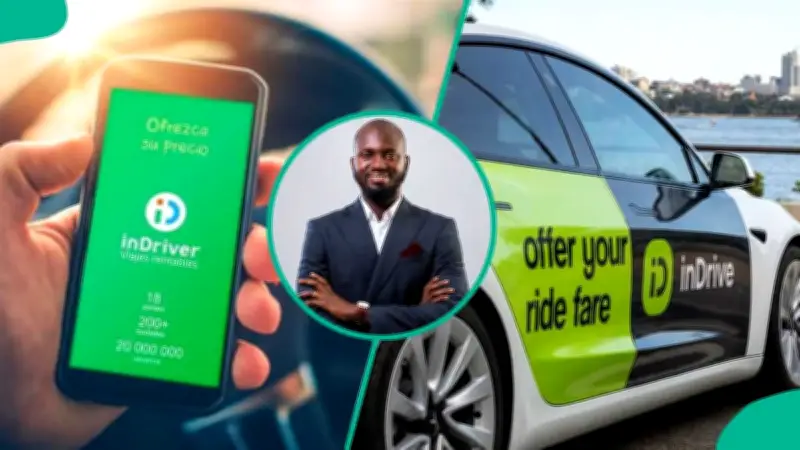
Global mobility platform inDrive has recorded a 96% increase in app installs in Nigeria, making it the country's most-installed ride-hailing app, according to independent data from Sensor Tower. The growth comes as Nigeria's ride-hailing market undergoes significant changes following Uber's exit, creating fresh opportunities for rival platforms to attract passengers and drivers.
Market Shift Following Uber's Exit
The strong performance coincides with a period of major transition in Nigeria's ride-hailing industry, particularly after Uber ceased operations in the country. With Uber no longer active, both passengers and drivers have increasingly turned to alternative platforms, opening new avenues for existing operators to expand their user base.
inDrive's rising popularity reflects changing commuter preferences, with affordability, flexibility, and greater control becoming decisive factors in choosing mobility services. The company's distinctive approach allows passengers and drivers to negotiate fares rather than relying entirely on fixed prices, a model that resonates in emerging markets where cost considerations are paramount.

Expansion Beyond Ride-Hailing
Timothy Oladimeji, Country Manager of inDrive Nigeria, said the company's growth demonstrates the relevance of a business model tailored to emerging market realities. He explained that inDrive is also looking beyond conventional ride-hailing to develop a broader mobility and delivery ecosystem serving passengers, drivers, and businesses.
Oladimeji highlighted that the company's Delivery service is extending its reach into the business-to-business market, providing companies with an additional channel for logistics and delivery solutions. This strategic expansion positions inDrive to capture a larger share of Nigeria's evolving mobility sector.
Future Outlook and Competition
“The growth we have recorded reflects the strength of our model and our deep understanding of the Nigerian market,” Oladimeji said. “While the market continues to evolve, our focus remains on giving passengers greater choice, flexibility, and access to affordable, reliable mobility, while creating flexible earning opportunities for drivers.”
The latest figures suggest that competition in Nigeria's mobility sector remains intense, but platforms that can combine affordability with flexibility may be well placed to capture a larger share of the market as consumer needs continue to change.