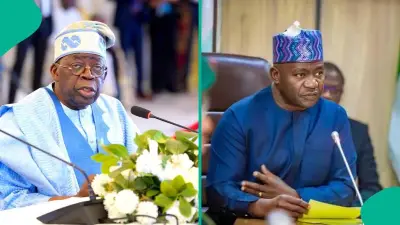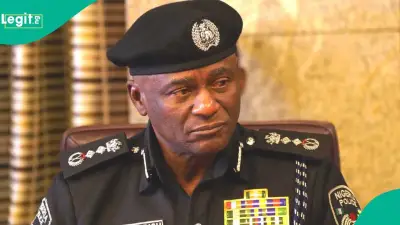
The Inspector-General of Police, Olatunji Disu, has called on Nigerians to stop filming police officers for social media content, warning that the trend is becoming “very, very demoralising” for the force. He made the remarks during a meeting with the President of the Nigerian Bar Association (NBA), Oyinkansola Badejo-Okusanya, and members of the NBA executive committee in Abuja, where discussions focused on strained police-lawyer relations and the growing debate over citizens recording officers in public.
Court ruling sparks surge in recordings
Disu said a recent court judgement affirming Nigerians’ right to record police officers performing their duties had caused concern within the force. According to him, the ruling was followed by an increase in citizens using their phones to record officers in different situations.
“The recent judgment on the recording of police officers, that one really jolted our officers. It became something of a concern to us because the citizens started coming out with their phones to record police officers everywhere they saw them,” Disu said.

He added that the practice had gone beyond documenting officers while carrying out official duties, claiming that some people had started recording officers even while they were eating at restaurants. “Everywhere you see a policeman, start recording a policeman. So this is something that was very, very demoralising to us,” the police chief said.
Police not against accountability, but restraint needed
Disu, however, made it clear that the police were not opposed to citizens recording officers who are performing their duties in public. He explained that his concern was how such recordings are used, particularly when officers are turned into entertainment.
“We are not saying they cannot exercise their rights of recording officers in public places while doing their jobs, but they should put restraints and not turn our police officers into content for their skits or anything,” he said.
He also raised concerns about people entering police offices with concealed cameras, asking, “Can we come to your offices and record you in your offices? Can we record even in the courts?”
Background: Federal High Court ruling in Warri
His comments followed a March 2026 judgement by the Federal High Court in Warri, Delta State, which affirmed the right of Nigerians to record police officers performing their duties in public spaces. Justice Hyeladzira Nganjiwa delivered the judgment in a fundamental rights suit filed by lawyer Maxwell Nosakhare Uwaifo following a stop-and-search encounter with police officers.
The court held that citizens have a constitutional right to record police officers carrying out public duties and that officers should not harass, intimidate or arrest people solely for filming their activities. The ruling has since sparked debate over balancing police accountability with officers' privacy and duties.
Officers work in dangerous conditions, says IGP
During the meeting with the NBA, Disu stressed that police officers often work under difficult and dangerous conditions. He pointed to personnel stationed at checkpoints, highways, forests and isolated locations, where officers may spend long hours protecting members of the public.
“If you look at where we have our officers at checkpoints, there are dangerous areas, thick in the forest, thick in the bushes, on the highways, and in the middle of nowhere. And these officers will stay there morning and night to do their job and keep other people safe,” he said.
NBA President Badejo-Okusanya also acknowledged the need to distinguish between recording police officers for accountability and invading their privacy. She cited situations where officers were filmed while eating or relaxing as examples of conduct that could cross the line into unnecessary intrusion, while maintaining that transparency should be preserved when officers are lawfully carrying out their duties.
In short, Disu is not banning citizens from filming police officers. Instead, he is urging the public to exercise this right responsibly and refrain from using footage of officers for viral skits or entertainment.