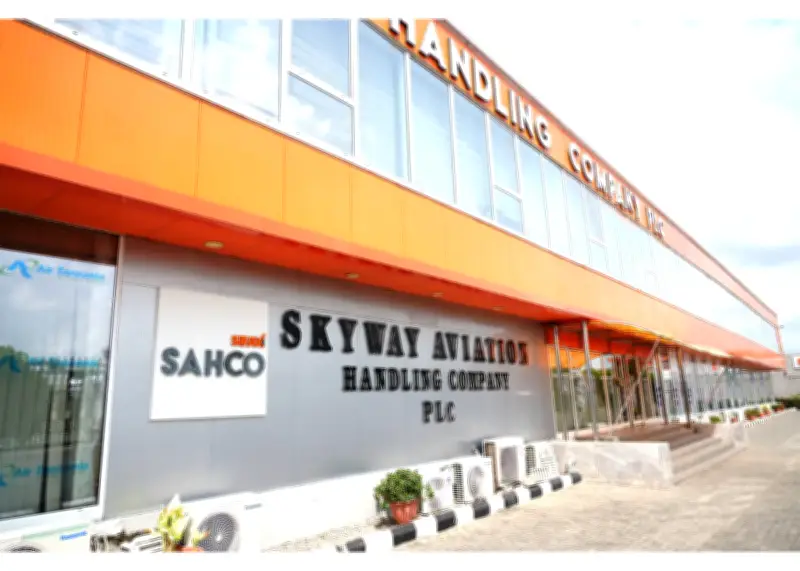
Sahcos' pre-tax profit declined by 41% year-on-year in the first half of 2026, a sharp drop that reflects the intensifying cost pressures squeezing profit margins across the company's operations. The performance, as detailed in the company's H1 earnings report, shows that despite efforts to maintain revenue generation, the firm was unable to shield its bottom line from the combined impact of rising input costs, higher energy prices, and increased operational expenses.
Margin compression takes a toll
The 41% fall in pre-tax profit points to significant margin compression. While the company has not released a detailed breakdown of its profit and loss statement, the headline numbers indicate that costs grew at a faster pace than revenue during the six-month period. This is a common challenge across many Nigerian businesses, where inflationary pressures and currency volatility have sharply increased the cost of doing business.
Industry observers note that Sahcos operates in a sector that is highly sensitive to cost fluctuations, and the H1 2026 figures reflect that vulnerability. The company's cost of sales, administrative expenses, and financing charges are believed to have risen substantially, eating into the gross margin and ultimately dragging down pre-tax profitability.
Cost pressures continue to bite
The cost pressures that weakened Sahcos' margins are not isolated to the company alone. Across Nigeria, businesses have been grappling with higher raw material prices, logistics bottlenecks, and elevated energy costs. The depreciation of the naira has also made imported inputs more expensive, adding to the strain on corporate finances.
For Sahcos, these pressures have been particularly pronounced in the first half of 2026. The company's management had earlier signaled that the business environment remained difficult due to persistent inflation and exchange rate depreciation, which have been major themes in the Nigerian economy throughout the year. Although revenue may have grown in nominal terms, the real purchasing power of that revenue was eroded by higher costs, leading to a steep decline in profitability.
The 41% drop in pre-tax profit is a warning sign for investors and stakeholders, highlighting the fragility of corporate earnings in an environment marked by sustained cost inflation. Sahcos will need to implement aggressive cost-control measures and operational efficiencies to reverse this trend in the second half of the year.
Outlook for the rest of 2026
Looking ahead, the outlook for Sahcos remains uncertain. If cost pressures persist, the company could face further margin erosion and a deeper profit slump in the full-year results. However, there are also opportunities for recovery. The company may benefit from any stabilization in the naira, government policies aimed at reducing energy costs, or increased demand that could allow it to pass on higher prices to customers.
Analysts suggest that Sahcos' performance in H2 2026 will depend largely on its ability to manage costs and improve operational efficiency. The company may also explore strategic pricing adjustments, supply chain optimization, and investments in cost-saving technologies to protect its margins.
For now, the H1 2026 results serve as a stark reminder of the challenging economic conditions facing Nigerian businesses. The 41% decline in pre-tax profit is a significant setback, and the company's response in the coming months will be critical to restoring investor confidence and ensuring long-term sustainability.