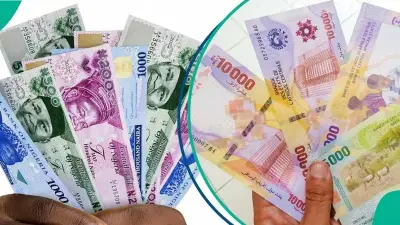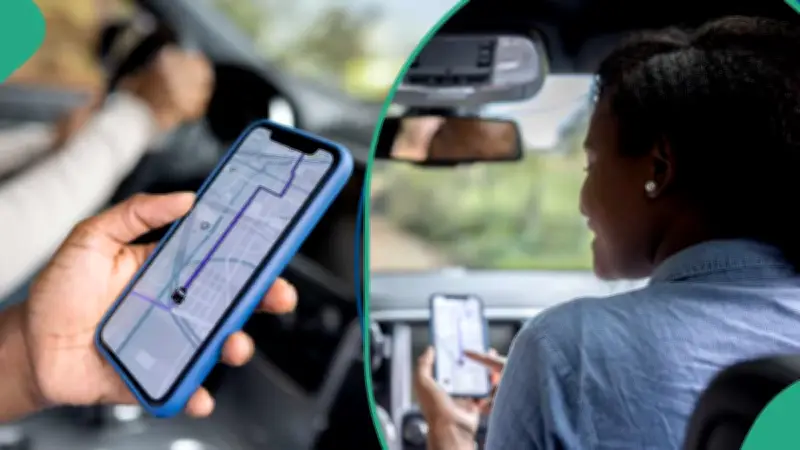
Uber has commenced one-off payments of ₦40,000 to eligible Nigerian drivers following its withdrawal from Nigeria and Uganda, but activity requirements and outstanding debts mean some drivers are receiving less or missing out entirely. The payments, described as a “goodwill gesture,” follow the company’s shutdown announcement on Wednesday, September 2, 2026.
Eligibility Criteria and Payment Details
According to Techpoint Africa, drivers have started receiving the funds, providing clarity on how the farewell payments are being distributed. One driver, identified as Lateef Oladapo, said he received ₦40,000. He explained that eligibility depended on drivers having been active on the platform for between three and six months.
A screenshot supplied by a driver showed the credit listed in the Uber app as “Promotion – Goodwill Gesture.” It carried a September 4 credit date and a September 7 payout date. Another driver, identified as Ephraim Balogun, confirmed that colleagues received the payment but said he did not qualify because he had been inactive. He added that some recipients received less than ₦40,000 because Uber deducted outstanding debts from their payments.
Techpoint Africa said it concealed the drivers’ real identities to allow them to speak freely. The reported eligibility conditions were described by drivers, rather than set out in a detailed company policy accompanying the report, according to a report by Techpoint Africa.
Drivers Cite Rising Costs and Weaker Demand
Beyond the payouts, drivers described mounting pressures on their livelihoods before Uber’s departure. Adigun Adesola, who worked across Uber, Bolt, and inDrive, said declining ride requests had led him to anticipate the company’s exit. He linked the slowdown to higher fuel prices following subsidy removal, alongside weakening purchasing power that made ride-hailing services harder for many Nigerians to afford.
For drivers, his account highlighted pressure on both sides of the business: operating costs were rising while customers were cutting back on trips. Adesola said he would concentrate more on competing platforms to sustain his earnings. He also suggested that the government could lose tax revenue following Uber’s withdrawal. Those explanations reflect the drivers’ assessments of the market and should not be treated as confirmed reasons for the company’s decision.
Long-Serving Drivers Fear Tougher Conditions
Balogun expressed a different reaction, describing the departure as painful after almost a decade of working on the platform. He praised Uber’s security measures and what he considered its fair treatment of drivers and passengers. In his view, weaker demand and multiple taxation contributed to the company’s difficulties. He also worried that fewer platform options could leave drivers facing stricter policies from the remaining operators.
The contrasting reactions show why the exit carries different meanings for drivers: some see an opportunity to shift their efforts elsewhere, while others regret losing a platform they trusted. As affected drivers turn to Bolt and inDrive, the immediate challenge is maintaining earnings. The one-off payment provides eligible recipients with cash, but their longer-term prospects depend on securing regular, worthwhile trips.
Local Ride-Hailing Firms Battle for Market Share
Legit.ng earlier reported that the departure of Uber from Nigeria is opening a new chapter in the country’s ride-hailing industry, with indigenous mobility companies seeking to attract drivers and passengers left without their familiar platform. The development is expected to intensify competition among existing operators while creating opportunities for Nigerian technology companies to expand their customer base and strengthen their presence in the transportation market.