Power-as-a-Service (PaaS) is emerging as a transformative model for Nigerian businesses grappling with unreliable grid electricity. Under PaaS, companies pay a predictable monthly fee for a fully managed power solution, eliminating the need for large capital investments in generators or solar systems. This model is gaining traction among commercial and industrial users seeking energy reliability without the burden of ownership.
What is Power-as-a-Service?
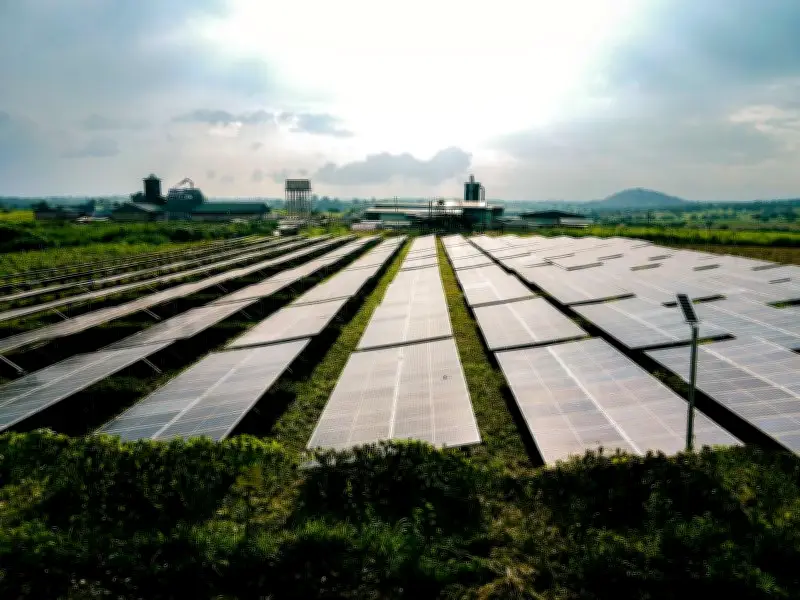
PaaS is a subscription-based energy offering where a third-party provider installs, owns, and maintains power generation equipment—such as solar panels, batteries, or gas generators—on the customer's site. The customer pays only for the energy consumed or a fixed capacity fee, similar to a utility bill. This shifts the responsibility of maintenance, fuel, and repairs to the provider.
Benefits for Nigerian Businesses
Nigeria's grid power is notoriously unreliable, with businesses facing an average of 7.5 outages per month and spending over N800 billion annually on diesel generators. PaaS offers a solution by providing 24/7 power without upfront capital. It also reduces operational complexity, as the provider handles all technical aspects. For example, a manufacturing firm in Lagos reported a 30% reduction in energy costs after switching to PaaS, according to a 2025 industry survey.
How It Works
Providers assess a business's energy needs, design a custom system, and install it at no cost to the client. The system is monitored remotely, and the provider guarantees uptime, often with service-level agreements (SLAs) ensuring 99.9% availability. Payment is typically monthly, based on kilowatt-hours consumed or a flat capacity fee.
Who Should Consider PaaS?
Small and medium enterprises (SMEs) that cannot afford the high cost of diesel generators or solar systems stand to benefit most. Larger corporations also use PaaS to hedge against fuel price volatility and reduce carbon footprints. As of 2026, over 40% of new commercial power installations in Nigeria are under PaaS contracts, according to the Nigerian Energy Support Programme.
Challenges and Considerations
While PaaS reduces upfront costs, long-term contracts (5-10 years) may lock businesses into agreements. Fuel price fluctuations can still affect variable costs, though many providers offer fixed-rate plans. Businesses must also ensure the provider has a strong track record and financial stability.
The Future of Power in Nigeria
With the government pushing for increased private sector participation in the power sector, PaaS aligns with the goals of the Electricity Act 2023, which promotes distributed energy. As more businesses adopt this model, it could significantly reduce Nigeria's dependence on diesel generators, cutting emissions and operational costs.