
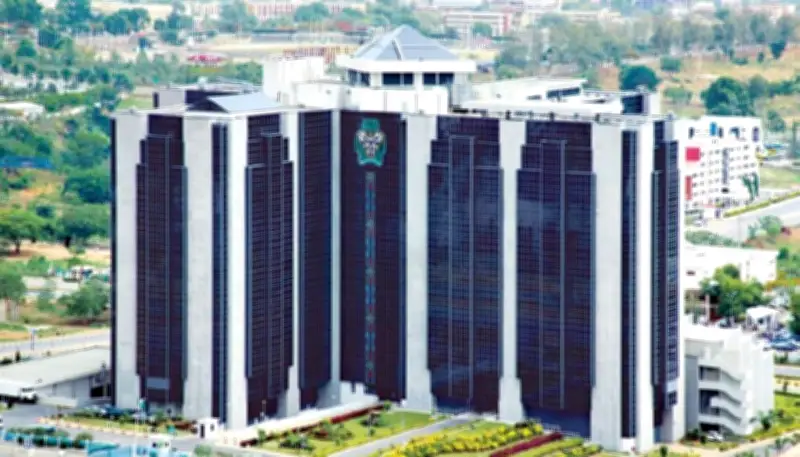
The Central Bank of Nigeria (CBN) has announced plans to sell N2 trillion worth of treasury bills in July 2026, marking the largest monthly offering so far this year. The move is part of the apex bank's strategy to mop up excess liquidity from the banking system and curb inflationary pressures.
Details of the Auction
According to the CBN's auction calendar, the sale will be conducted through multiple auctions throughout the month. The N2 trillion figure surpasses previous monthly offerings in 2026, which averaged around N1.5 trillion. The bank will offer short-term instruments with maturities ranging from 91 days to 364 days.
Market analysts expect strong demand from commercial banks and institutional investors, given the attractive yields. The CBN has been using treasury bills as a key tool to manage liquidity and support the naira.
Impact on Inflation and Liquidity
The CBN's aggressive treasury bill sales are aimed at reducing the money supply to combat inflation, which stood at 22.4% in May 2026. By absorbing excess naira from the banking system, the central bank hopes to stabilize prices and support the currency.
Economist Dr. Adeola Adeniyi commented, “The N2 trillion auction is a bold move to tighten monetary policy. It will likely push interbank rates higher and reduce lending capacity, but it is necessary to rein in inflation.”
Market Reactions
Investors are expected to bid aggressively, especially for longer-dated bills, as yields remain attractive. The CBN has maintained a tight monetary stance since early 2025, with the Monetary Policy Committee holding the benchmark rate at 27.5%. The treasury bill auction is seen as a complementary tool to manage short-term liquidity.
Meanwhile, the Debt Management Office (DMO) has also increased its domestic borrowing plans, with the federal government targeting N9 trillion in new borrowings for 2026. The CBN's treasury bill sales are separate but coordinated with the DMO's activities.
Outlook for the Rest of 2026
Analysts predict that the CBN may continue with large treasury bill auctions in the coming months if inflation remains elevated. The bank has signaled its commitment to price stability, and the N2 trillion sale underscores that priority.
Banks are likely to adjust their lending rates upward in response to the tighter liquidity, potentially affecting credit to the private sector. However, the CBN views this as a necessary trade-off to achieve macroeconomic stability.




