
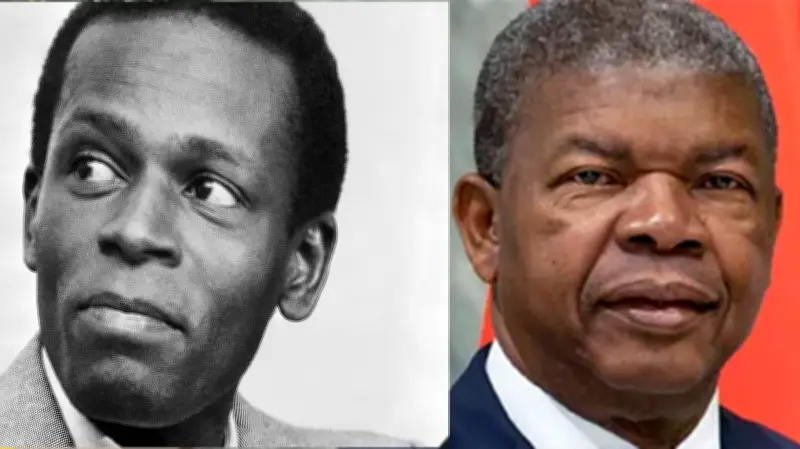
NJ Ayuk's book 'Crude Oil: Power, Turnaround and Transformation in Angola' offers a deep analysis of Angola's oil-driven state under Jose Eduardo dos Santos and the reform efforts of his successor, Joao Lourenco. The transition is portrayed not as a routine handover but as a rupture and a test of governance.
The Long Shadow of Dos Santos
Dos Santos ruled Angola for 38 years, making him one of Africa's defining post-independence leaders. Ayuk examines the structure of power that developed around his rule, highlighting a contested legacy: praised for ending civil war and holding the nation together, but criticized for authoritarianism, corruption, and economic mismanagement. Under Dos Santos, oil became the dominant economic engine and the foundation of political influence, attracting foreign capital but reinforcing elite networks and deepening inequality. The book argues that Angola's tragedy was not the absence of oil wealth but the failure to convert it into broad-based prosperity.
The Reformer from Within
Joao Lourenco, a long-serving MPLA figure and former defense minister under Dos Santos, initially raised concerns of continued cronyism. However, he surprised many by distancing his presidency from the old order. Ayuk frames Lourenco's administration as a significant departure, emphasizing reform, diversification, job creation, institutional restructuring, and a more credible investment climate. The key question is whether a ruling system can produce a leader willing to reform the networks that elevated him.
From Personal Rule to Institutional Repair
Ayuk links political change to petroleum reform. The Dos Santos era left Angola with structural problems: oil dependence, declining production, limited refining capacity, import reliance, weakened public services, and vulnerability to price shocks. These reflected governance choices, not just market conditions. Under Lourenco, Angola sought to improve regulatory clarity, separate commercial and regulatory functions, promote gas monetization, and reposition the country as a serious destination for upstream capital. The task was institutional: persuading investors that Angola had moved beyond the old assumptions.
Diamantino Azevedo and the Technocratic Turn
Ayuk's chapter on Diamantino Azevedo, appointed Minister of Mineral Resources, Petroleum and Gas in 2017, strengthens this argument. Azevedo represents the technocratic side of the transition: moving from political control to professional sector management. This contrast between Dos Santos (oil for political consolidation) and Lourenco/Azevedo (rebuilding governance around credibility and institutional discipline) is central. The book acknowledges ongoing challenges but argues that Angola's direction changed meaningfully after 2017.
A Lesson Beyond Angola
The Dos Santos-Lourenco transition offers wider African relevance. Many resource-rich states face the same question: how to move from resource control to resource governance. Angola's experience shows reform requires institutional redesign, credible regulators, transparent licensing, domestic value creation, and political willingness to disrupt entrenched interests. For Nigeria, Equatorial Guinea, Congo, Mozambique, and others, Ayuk's story offers a warning: oil wealth can hold a country together after conflict but also create complacency, attract investors yet conceal weakness, enrich the state but fail to transform lives. The Dos Santos chapters provide the 'before' picture against which Angola's reform story must be judged.




