The Federal Government has implemented a significant policy shift by removing import duties on electric vehicles and mass transit buses. This strategic move aims to alleviate inflationary pressures and enhance affordability for Nigerians, particularly in response to economic challenges stemming from the ongoing Middle East crisis.
Official Announcement and Rationale
The development was officially disclosed in a statement posted on X on April 13, 2026, by Dada Olusegun, the Special Assistant to the President on Social Media. Olusegun emphasized that this initiative is part of a broader set of new fiscal measures designed to ease economic burdens on citizens and curb rising inflation, following direct directives from the President to key economic officials.
Specific Duty Reductions
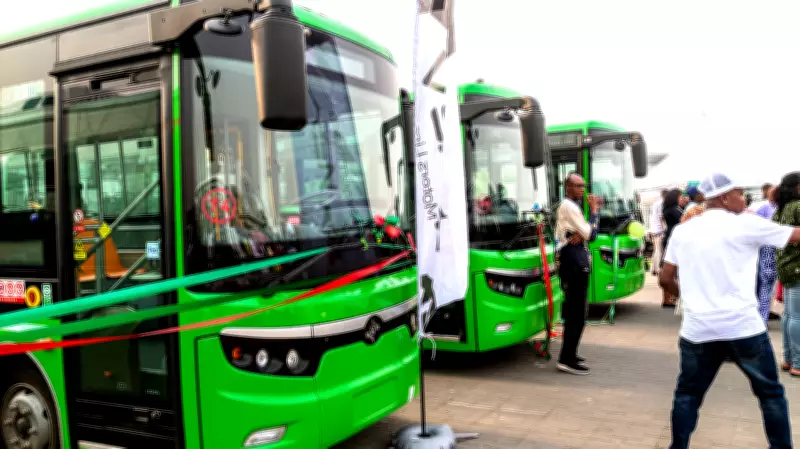
Under the newly approved policy, import duties on electric vehicles have been slashed from five per cent to zero per cent. Similarly, mass transit buses now enjoy a full duty exemption, also reduced from five per cent to zero per cent. These reductions are intended to make public transportation more affordable and promote cleaner mobility alternatives across the country.
Broader Tariff Cuts
In addition to the exemptions for electric vehicles and transit buses, the policy includes wider tariff reductions to support both consumers and industries. For instance, import duties on passenger vehicles have been significantly lowered from 70 per cent to 40 per cent. This comprehensive approach is part of the Tinubu administration's efforts to lower inflation, bolster business operations, and improve overall consumer affordability.
Impact and Objectives
According to Olusegun, these measures are strategically crafted to encourage cheaper public transportation options and foster the adoption of environmentally friendly mobility solutions. By reducing costs associated with electric vehicles and mass transit buses, the government aims to stimulate economic activity, mitigate the effects of global crises, and enhance the standard of living for Nigerians through more accessible and sustainable transport infrastructure.