
The Africa Association of Professional Freight Forwarders and Logistics of Nigeria (APFFLON) has called on the Federal Government to tackle critical challenges confronting local manufacturers, exporters, freight forwarders, logistics operators, and small-scale businesses before committing $1 billion to the African Continental Free Trade Area (AfCFTA) Credit Facility.
APFFLON's Stance on AfCFTA
In a statement issued by the National President of APFFLON, Frank Ogunojemite, the association noted that while AfCFTA presents enormous opportunities for economic growth and regional integration, Nigeria's ability to maximize the benefits depends largely on the competitiveness of its domestic industries and the efficiency of its trade facilitation systems.
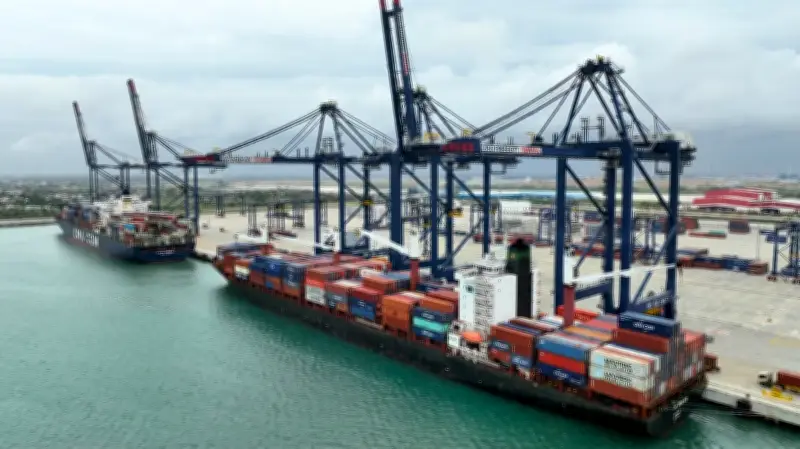
According to APFFLON, several factors that hindered the success of previous African trade initiatives and treaties remain unresolved. These bottlenecks include poor infrastructure, high production costs, inadequate power supply, multiple taxation, foreign exchange constraints, excessive port charges, cumbersome export procedures, and regulatory bottlenecks that continue to frustrate businesses engaged in international trade.
Challenges for Local Businesses
The association expressed concerns that many local manufacturers and small and medium enterprises (SMEs) are already struggling to survive under the current business environment and may not be able to take full advantage of AfCFTA opportunities despite the availability of credit facilities.
“While access to finance is important, funding alone cannot solve the fundamental challenges affecting Nigerian businesses. Before providing large-scale AfCFTA credit support, the government must first create an enabling environment that allows local industries to compete effectively with their counterparts across Africa,” the statement noted.
Recommendations for Reform
APFFLON called on the Federal Government to prioritize the reduction of port charges and the elimination of unnecessary trade bottlenecks, and ensure full implementation of the National Single Window (NSW) and other trade facilitation reforms.
- Improvement of road, rail, port, and border infrastructure
- Simplification of export documentation and cargo clearance processes
- Support for local manufacturers through tax incentives and reduced production costs
- Improved access to foreign exchange for exporters and manufacturers
- Strengthened collaboration among government agencies responsible for trade regulation and export promotion
- Development of policies that encourage value-added exports and industrial growth
Risk of Becoming a Consumption Market
The association emphasized that unless these challenges are adequately addressed, Nigeria risks becoming a consumption market for goods produced by other African countries rather than emerging as a leading exporter under the AfCFTA framework. APFFLON maintained that sustainable economic growth, industrial development, job creation, and export expansion can only be achieved through comprehensive reforms that strengthen Nigeria's production and logistics capacity.




