
The Federal Government has warned petroleum marketers against using profits from previously acquired expensive fuel inventories to justify maintaining high petrol prices, insisting that the benefits of lower replacement costs must be passed on to consumers.
The warning was issued on Monday, July 6, during a stakeholders' meeting on the cost-reflective pricing of Premium Motor Spirit (PMS) convened by the Nigerian Midstream and Downstream Petroleum Regulatory Authority (NMDPRA) at its headquarters in Abuja. The meeting brought together representatives of Dangote Petroleum Refinery, the Federal Competition and Consumer Protection Commission, the Petroleum Products Retail Outlets Owners Association of Nigeria (PETROAN) and other key operators in the downstream petroleum sector.
Minister's Warning on Windfall Gains
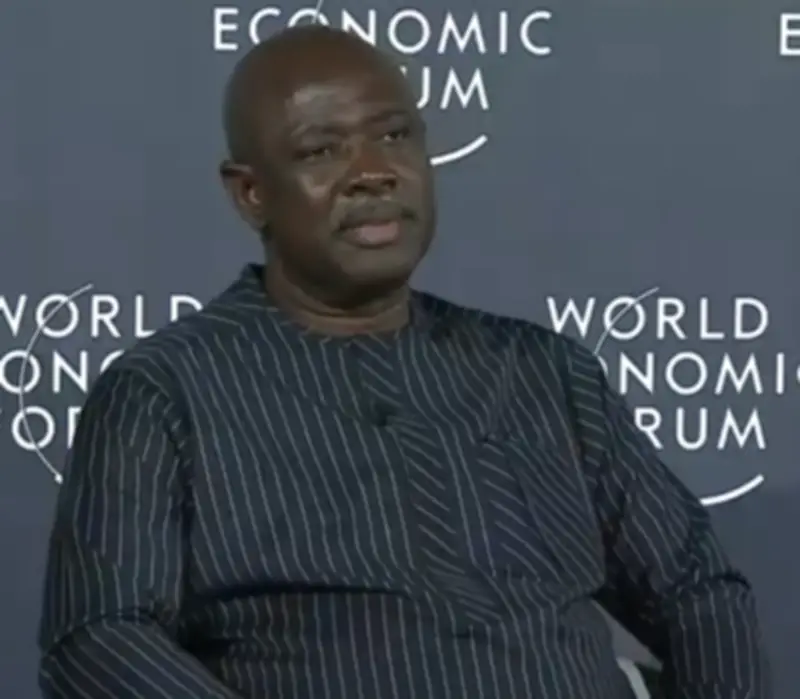
Speaking at the meeting, the Minister of State for Petroleum Resources (Oil), Heineken Lokpobiri, said marketers should not rely on temporary gains from inventories purchased at higher crude oil prices to sustain elevated pump prices after replacement costs have fallen. “I am aware that PMS pricing is influenced by several factors beyond crude oil prices, but it is equally important to distinguish between genuine replacement cost and windfall gains arising from inventory management,” he stated.
“Temporary gains realised from inventories acquired at higher prices should not become the basis for sustaining elevated pump prices after replacement costs have declined. As inventories are replenished at lower costs, the benefits of those lower costs should be transmitted to consumers in a timely and transparent manner. That is the essence of a competitive and efficiently functioning market.”
Deregulation and Inflation Concerns
Lokpobiri acknowledged that petrol prices are influenced by factors such as exchange rates, logistics and supply chain costs, but maintained that deregulation was never intended to create opportunities for excessive pricing or market distortions. He warned that keeping fuel prices higher than prevailing market conditions justify could worsen inflation and undermine the economic gains recorded over the past year.
“When the cost of energy remains elevated beyond what prevailing market conditions justify, the results translate to inflation. While considerable progress has been made in moderating inflation from the highs experienced in 2024, when inflation stood at 34 per cent, the latest figures show that inflation currently stands at 15.9 per cent. Sustaining high energy costs where underlying market fundamentals have improved risks undermining these gains and slowing down the recovery that Nigerians are beginning to experience.”
Crude Oil Price Movements Not Reflected
The minister noted that international crude oil prices rose from between $61 and $65 per barrel in January to above $118 per barrel in April following heightened geopolitical tensions in the Middle East before declining to about $71 per barrel. According to him, while the increase in crude prices pushed up petrol prices, the subsequent decline has not been reflected proportionately at filling stations.
“Ordinarily, such movements in crude oil prices should be reflected in the pricing of refined petroleum products. While the initial increase in crude prices understandably exerted upward pressure on PMS prices, the subsequent moderation in crude oil prices has not translated into a commensurate reduction in pump prices across the domestic market. This disconnect has understandably raised concerns. PMS peaked at about N1,596 per litre in May and currently sells at around N1,296 per litre. While there has been some reduction, the adjustment has not been commensurate with the decline in underlying market conditions.”
Reforms and Market Surveillance
Lokpobiri commended the reforms introduced by President Bola Tinubu, including the removal of the fuel subsidy and the crude-for-naira initiative, saying they had laid the foundation for a more competitive downstream petroleum industry. He directed the NMDPRA to intensify market surveillance and enforce transparency in fuel pricing.
“I urge the Authority to strengthen market surveillance and enforce pricing transparency across the supply chain to ensure that reductions in underlying costs are reflected promptly in ex-depot and retail prices. Consumers should have confidence that prices are determined fairly and not by information asymmetry or anti-competitive practices.”
The minister also called for the speedy operationalisation of the National Strategic Stock to strengthen energy security and reduce future price volatility.
NMDPRA's Role
Earlier, the Chief Executive of the NMDPRA, Rabiu Umar, said the meeting was convened to address growing concerns over petrol pricing and ensure Nigerians benefit from improvements in global market conditions. “As a responsible regulatory authority, it is our duty to step in alongside you, our valued partners, to interrogate the market forces, understand the operational bottlenecks and directly address this disconnect between falling replacement costs and sustained retail prices. Deregulation is not a licence for market distortion or unfair consumer pricing. It is intended to drive efficiency, maximise value and protect the public interest.”
He added that the objective was not to dictate prices but to work with industry stakeholders to develop practical solutions that would keep businesses viable while protecting consumers. The meeting continued behind closed doors, with representatives of major marketers, refiners and industry associations expected to issue resolutions after their deliberations.




