Nigeria's Minister of Finance and Coordinating Minister of the Economy, Taiwo Oyedele, has issued a stark warning that reintroducing petrol subsidies could drive the naira to as low as N4,000 per dollar. He cautioned that even a mere signal of such a policy reversal would be sufficient to immediately rattle financial markets, according to a BusinessDay report.
Oyedele's Warning on Market Reaction
Speaking at a press briefing following the International Monetary Fund (IMF) and World Bank annual meetings in Bangkok, Thailand, on Monday, October 19, Oyedele stated that foreign and local investors would not wait for a formal policy announcement before reacting. He emphasized that capital would react instantly if the President merely indicated consideration of the subsidy's return.
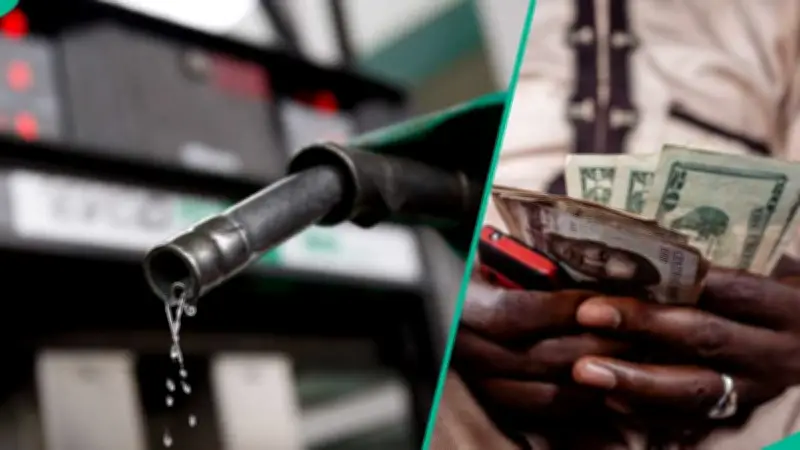
Oyedele warned that the naira could depreciate to N3,000, N3,500, or N4,000 per dollar under different subsidy return scenarios. He explained that news of a possible subsidy restoration could prompt foreign investors to pull funds out of Nigeria, while local business owners and wealthy Nigerians might convert their savings into dollars as a hedge against risk.
Impact on the Naira and Economy
The minister noted that a surge in demand for foreign exchange would put direct pressure on the naira. A weaker currency would subsequently raise the cost of imported goods and petroleum products, adding to inflationary pressure and squeezing household budgets already stretched by high living costs since the subsidy was removed in May 2023.
Oyedele clarified that the figures of N3,000, N3,500, or N4,000 per dollar represent possible downside scenarios he outlined as a warning, not a confirmed forecast of where the currency is headed, as reported by Punch.
NNPCL Discounts Not a Subsidy
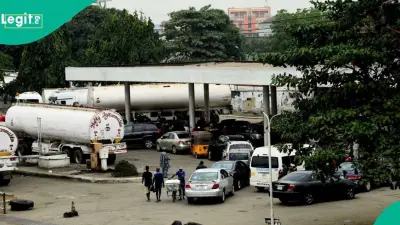
The minister also pushed back on claims that temporary petrol price reductions by the Nigerian National Petroleum Company Limited (NNPCL) are equivalent to bringing back government-funded subsidies. He described the discounts as a commercial decision by the company to attract customers, carrying no direct cost to the government budget.
Oyedele maintained that the petrol subsidy removal and the liberalisation of the foreign exchange market are central to the Tinubu administration's reform agenda. He argued that reversing course on either policy would damage investor confidence and slow progress on stabilising the economy, even as rising fuel and transport costs continue to draw calls from Nigerians for government relief.
Recent Petrol Price Adjustments
Earlier, Legit.ng reported that NNPCL pushed petrol prices up to N1,405 per litre at its filling stations, lifting the pump price by N35 from the previous rate of N1,370 per litre. Filling station attendants were reportedly informed of the change over the weekend, with the new price taking effect the following day.
Customers who use the NNPCL mobile application and complete payments digitally are still eligible for a N66-per-litre discount. The combination of subsidy removal and forex liberalisation remains a cornerstone of the government's economic policy, but the recent price hike and the minister's warnings underscore the delicate balance between market reforms and public relief.