
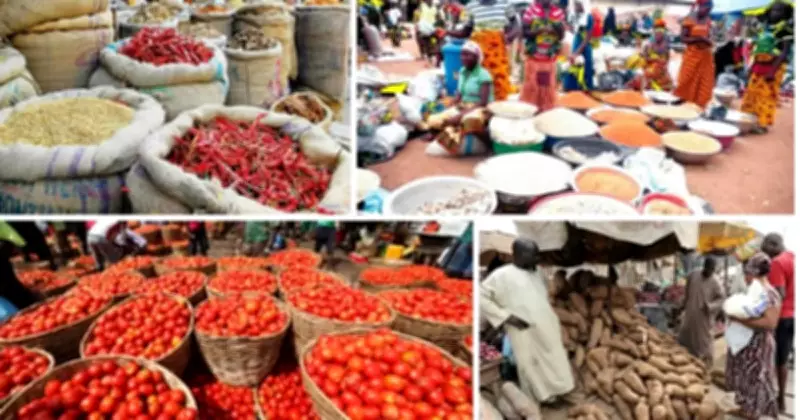
Food inflation has risen above 20 percent in 11 Nigerian states, deepening the country's cost of living crisis as the Eid-el-Kabir celebration approaches. According to the latest Consumer Price Index report from the National Bureau of Statistics, food inflation nationally reached 16.06 percent in April 2026, exceeding the headline inflation rate of 15.69 percent.
Worst-Hit States
Enugu State recorded the highest year-on-year food inflation at 32.7 percent, followed by Kwara State at 30.8 percent and Adamawa State at 30.1 percent. Other states where food inflation exceeded 20 percent include Rivers (26.8 percent), Delta (23.9 percent), Bauchi (23.7 percent), Edo (23.0 percent), Zamfara (22.0 percent), Gombe (21.6 percent), Anambra (20.8 percent), and Benue (20.1 percent).
Rising Staple Prices
The NBS attributed the continued increase in food prices to higher costs of staple items such as garri, yam, tomatoes, pepper, beans, beef, crayfish, wheat grain, and cassava products. These staples are essential for many Nigerian households, and their rising costs have added pressure to already stretched incomes.
Impact Ahead of Eid-el-Kabir
The data comes just before the Eid-el-Kabir festival, a period typically marked by sharp price increases for food and livestock. With inflation already affecting staple foods, many families may face tougher spending conditions during the festivities. Month-on-month food inflation also rose in some states, with Niger recording the highest monthly increase at 8.5 percent, followed by Bauchi at 6.8 percent and Kogi at 6.7 percent.
Broader Economic Struggles
Although inflation levels remain below the peaks seen during Nigeria's economic crisis in 2024 and 2025, many Nigerians continue to struggle with rising costs for food, transportation, electricity, school fees, rent, and healthcare. Food inflation remains one of the most sensitive economic issues due to its direct impact on household purchasing power and living conditions.
The latest figures highlight the ongoing challenges faced by Nigerians despite recent claims of improving economic conditions and easing inflation nationwide.




