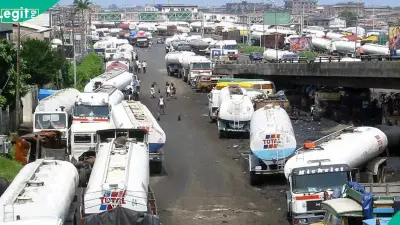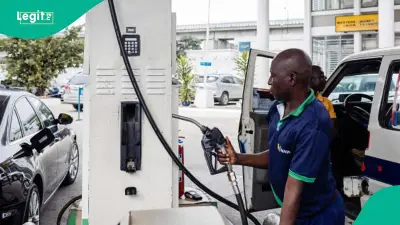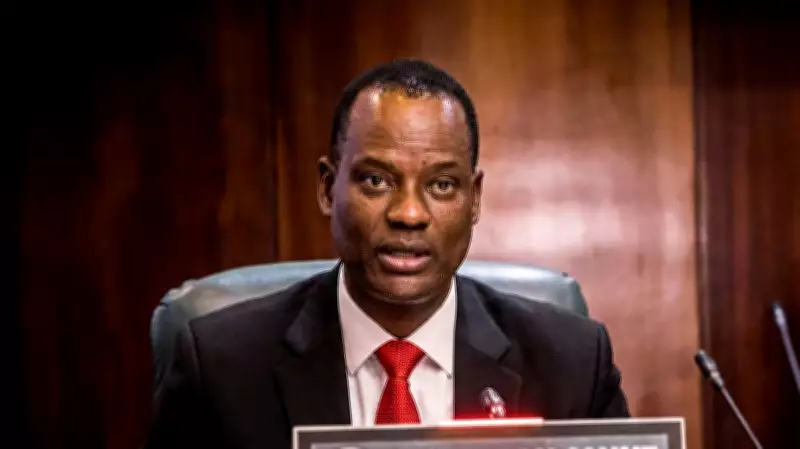
The Minister of Finance and Coordinating Minister of the Economy, Taiwo Oyedele, has firmly stated that the Presidency will not reinstate the fuel subsidy, despite widespread calls for its return due to rising living costs. Speaking on Tuesday in Paris, France, during President Bola Ahmed Tinubu's meeting with global investors, Oyedele emphasized that subsidies create economic distortions and that the government believes in market-driven pricing.
Market Self-Regulation Over Subsidies
Oyedele noted that the prices of fuel will not be controlled because the administration trusts the market's ability to regulate itself. He highlighted that the situation in Iran presents new opportunities for Nigeria as the world seeks to diversify energy sources and invest in emerging markets. The minister's remarks come amid growing public pressure to alleviate the impact of subsidy removal on the cost of living.
President Tinubu's Remarks on Economic Reforms
According to a statement by his Special Assistant on Social Media, Dada Olusegun, President Tinubu told investors that Nigeria has achieved stability in its foreign exchange market after removing the burden of fuel subsidy. Another statement by Special Adviser to the President on Information and Strategy, Bayo Onanuga, emphasized that the economic reform program includes measures to remove distortions and stabilize macroeconomic indicators, laying the foundation for sustained inclusive growth. Onanuga also stressed transparency, fiscal discipline, and the rationale behind swift implementation of bold reforms.
Debt Management Office Assurance
Director-General of the Debt Management Office, Patience Oniha, assured investors of the government's responsible approach to debt financing and its focus on sustainable debt management.
Expert Warns Against Subsidy Reintroduction
Energy policy expert Samuel Caulcrick warned that any move by the Federal Government to reintroduce petroleum subsidies through crude supply to local refineries would lead to cross-border fuel smuggling and undermine recent gains from deregulation. Reacting to calls for government support to local refineries to ease petrol costs, Caulcrick insisted that such interventions could inadvertently benefit neighboring countries rather than Nigerians. Speaking with The Guardian in Lagos, he emphasized that price differentials across borders historically create incentives for illicit trade. He explained that smuggling is essentially market arbitrage driven by price imbalances, and when commodities can move across borders, traders are incentivized to exploit pricing gaps.
Nigeria has long struggled to contain smuggling of refined petroleum products. Caulcrick noted that the removal of fuel subsidies and adoption of market-driven pricing have helped narrow profit margins for smugglers, acting as a natural deterrent. However, he acknowledged that subsidy removal has significantly increased the cost of living for many Nigerians, raising concerns about affordability and economic hardship.