The International Monetary Fund (IMF) has acknowledged that Nigerians are suffering from the rising cost of living, urging the federal government to introduce targeted cash transfers and temporary income support for vulnerable households. The Fund said the measures would help reduce poverty and improve food security as rising food and energy prices continue to put pressure on household budgets.
IMF Recommends Cash Transfers for Vulnerable Households
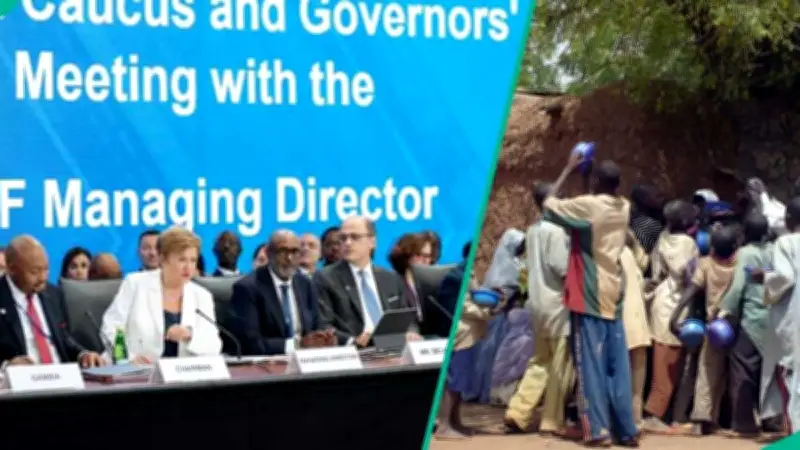
Chief of the IMF Research Department’s World Economic Studies Division, Deniz Igan, made the recommendation during a press briefing on the Fund’s October 2026 World Economic Outlook at the IMF and World Bank Annual Meetings in Bangkok, Thailand. Responding to a question, Igan said the government needed to balance immediate support for struggling households with policies that would protect the country’s long-term financial stability, the Sun reports.
“Nigeria is a good example. While growth held up in Nigeria, given that it is an energy exporter, power pressures are still very high, and we are mindful that the population is suffering, especially when it comes to food security,” Igan said. She added that rising food and energy prices were creating additional difficulties for vulnerable households, making targeted government assistance necessary.
“In that environment, what we are advocating for is cash transfers and targeted, temporary income support for the most vulnerable households in Nigeria. That can alleviate high poverty and help ensure food security,” Igan said.
IMF Warns of Worsening Poverty Despite Growth
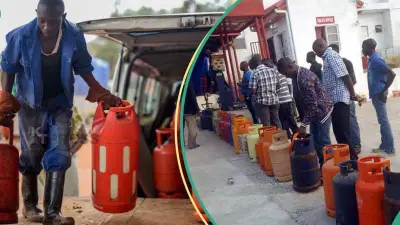
The IMF’s recommendation comes as Nigerian households continue to contend with high food prices, transportation costs, energy expenses and other essential bills. Although Nigeria is a major oil producer, higher international oil prices do not automatically translate into lower living costs for citizens. Increases in energy prices can also raise transportation and production costs, putting additional pressure on household incomes.
The Fund said Nigeria’s economic growth outlook had improved, projecting the economy to expand by 4.2% in 2026 and 4.3% in 2027, DailyTrust reports. However, it warned that higher prices for essential goods could worsen poverty and food insecurity, highlighting the gap between economic growth and the living conditions of ordinary Nigerians.
The IMF also stressed that government assistance must be accompanied by a credible medium-term fiscal plan focused on improving revenue collection and ensuring public funds are spent effectively. According to Igan, providing relief to vulnerable households without strengthening public finances could undermine economic stability over time.
IMF Raises Concerns Over Global Economic Pressures
The Fund’s call for assistance comes amid concerns about mounting global economic pressures, including rising energy and commodity prices, public debt and uncertainty surrounding artificial intelligence. In its October 2026 World Economic Outlook, titled “Resilience Under Strain, Urgent Choices,” the IMF projected global economic growth of 3.1% in 2026 before improving to 3.4% in 2027. It warned that further disruptions to energy supplies could weaken economic activity and push inflation higher, with developing economies facing heightened risks.
FG Gives Reasons Nigerians Are Poor
Earlier, Legit.ng reported that Nigeria's Minister of Finance and Coordinating Minister of the Economy, Taiwo Oyedele, has defended the President Bola Tinubu-led government's economic reform programme. He said the rise in poverty that followed the policy changes was an unavoidable part of correcting long-standing fiscal imbalances rather than a sign that the reforms had failed. Oyedele made the remarks while responding to concerns about the human cost of the reforms, particularly the removal of fuel subsidies introduced under President Bola Tinubu's administration.