Nigeria's Inflation Rate Climbs to 15.38% in March 2026, Ten States Hit Hardest
The National Bureau of Statistics (NBS) has reported that Nigeria's headline inflation rate rose to 15.38% in March 2026, marking an increase from 15.06% recorded in February 2026. This latest figure also represents a significant uptick compared to the 13.53% recorded in March 2025, indicating sustained inflationary pressure on a year-on-year basis.
Sharp Monthly Increase and Regional Disparities
On a month-on-month basis, inflation surged sharply to 4.18% in March 2026, compared to 2.01% in February, suggesting a faster pace of increase in the general price level. The Consumer Price Index (CPI), which measures inflation, climbed to 135.4 in March 2026, reflecting a 5.4-point increase from 130.0 in the previous month.
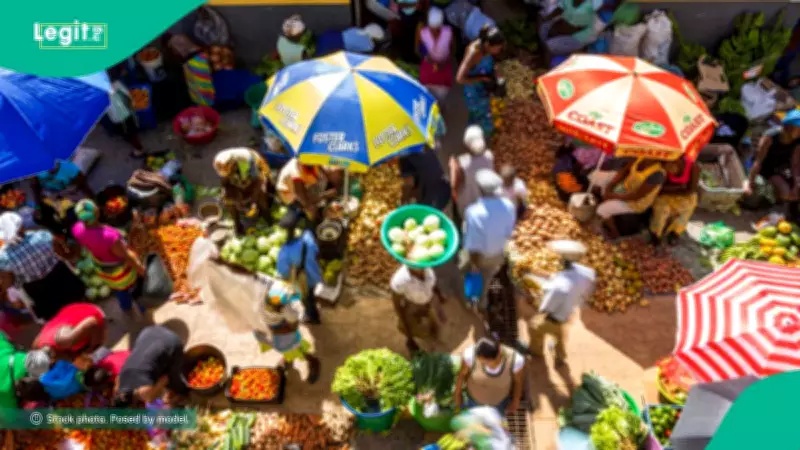
According to the NBS, the increase was driven by continued rises in both food and non-food prices across the country. Food inflation stood at 14.31% on a year-on-year basis, lower than 25.22% recorded in March 2025, but remained elevated on a monthly basis at 4.17%. The agency attributed the increase in food prices to higher costs of items such as yam, ginger, cassava, groundnuts, tomatoes, and other staple foods.
States with Highest and Lowest Inflation Rates
On a year-on-year basis, ten states recorded the highest all-items inflation in March 2026, highlighting significant regional disparities. The top states include:
- Bayelsa – 27.37%
- Sokoto – 26.03%
- Bauchi – 23.67%
- Cross River – 23.60%
- Akwa Ibom – 22.20%
- Kwara – 22.90%
- Niger – 20.70%
- Yobe – 19.70%
- Plateau – 19.60%
- Nasarawa – 19.50%
These figures show that several states are experiencing rates far above the national average. Meanwhile, the lowest inflation rates were recorded in Osun at 5.25%, Kano at 9.85%, and Kaduna at 10.38%.
Urban and Rural Inflation Trends
Further breakdown revealed that urban inflation stood at 14.64% year-on-year, while rural inflation was higher at 17.22%, indicating stronger price pressures in rural areas. On a month-on-month basis, rural inflation surged to 6.73%, significantly higher than the 3.16% recorded in urban areas.
Government Policies and Import Restrictions
In related news, the Nigerian Customs Service has shared a list of food items that are not allowed to be imported into Nigeria in 2026. These prohibited items, covering animal products, processed foods, beverages, and packaged goods, will be seized when discovered at airports, land borders, and ports by Customs officers. This policy is part of broader government efforts to reduce dependency on imports, support local farmers and manufacturers, and ensure that food consumed in the country is safe.
The persistent inflationary trends underscore ongoing economic challenges, with cost pressures intensifying across regions despite earlier signs of moderation. The NBS data provides a critical insight into the state of Nigeria's economy, emphasizing the need for targeted interventions to address regional disparities and stabilize prices.