
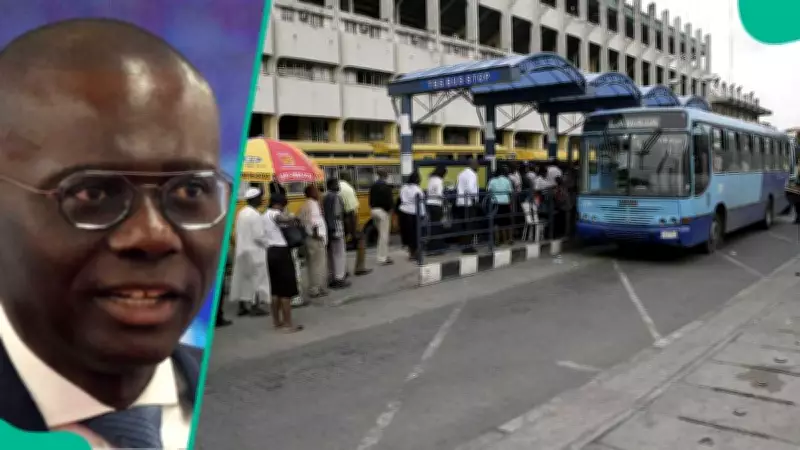
Lagos BRT Fare Increase Triggers Transportation Cost Surge Across Metropolis
The Lagos State Government's recent decision to raise fares for its Bus Rapid Transport (BRT) system has resulted in a significant increase in transportation costs throughout the state. This fare adjustment has created a ripple effect, with private transport operators now leveraging the new pricing structure to impose higher charges on commuters across various routes.
Commuters Express Growing Frustration Over Service Quality
Reports indicate mounting frustration among Lagos commuters who describe a steady deterioration in the quality of public bus services along key transportation corridors. Daily passengers report frequent vehicle breakdowns, extended waiting periods, and the gradual disappearance of onboard amenities that once made BRT services appealing.
Several regular commuters who depend on these buses for work and business activities have voiced concerns that service standards no longer meet reasonable expectations. What was initially promoted as a modern, comfortable alternative to older transport systems now resembles the very conditions it was designed to replace, according to numerous passenger accounts.
Safety Concerns and Maintenance Issues Surface
During peak hours on busy routes, stranded passengers increasingly face longer-than-usual waits as buses experience mechanical failures or arrive already at full capacity. For many commuters, safety has become the primary concern.
Adewale Musbau, a frequent passenger on the Abule Egba to Obalende route, offered a blunt assessment of his experience: "Many of the buses plying Abule Egba to Obalende are not different from Molue. They are not roadworthy."
His comments reflect a broader sentiment among commuters who believe maintenance standards have significantly declined. Some passengers report buses frequently stalling mid-journey, forcing riders to disembark and seek alternative transportation at additional personal expense.
Disappearing Comfort Features Compound Problems
Beyond mechanical issues, commuters have noted the loss of amenities that initially made BRT services attractive. Air conditioning systems often function poorly or not at all, while charging ports installed to help passengers power devices during lengthy commutes have reportedly stopped working in numerous vehicles.
These features were originally introduced to modernize public transport and enhance rider comfort in a city where traffic congestion can transform short trips into hour-long journeys. Their absence has left many commuters feeling shortchanged and dissatisfied with their transportation experience.
Government Response and Future Commitments
In response to growing public concerns, the state government has reassured residents that efforts are underway to balance affordability with sustainable transit operations. Officials maintain that maintaining safe, efficient, and accessible transportation remains a top priority.
Authorities have acknowledged existing challenges while emphasizing their commitment to ensuring public buses remain both functional and financially viable. According to government statements, measures are being implemented to improve maintenance standards and enhance overall service delivery across the transportation network.
For now, commuters say they are monitoring developments closely. In a city where millions depend daily on public transport, reliability and safety represent necessities rather than luxuries. As Lagos continues to expand and traffic pressures intensify, residents hope promises of efficient mass transit will translate into consistent, comfortable commuting experiences that justify the increased financial burden.




