LCCI and OPS Raise Alarm Over Nigeria's Escalating Inflation Crisis
In a stark warning, the Lagos Chamber of Commerce and Industry (LCCI) and the Organised Private Sector (OPS) have voiced significant apprehension regarding Nigeria's mounting inflation figures. This concern follows the release of the March consumer price index (CPI) by the National Bureau of Statistics (NBS), which revealed a troubling uptick in economic pressures.
Inflation Trends and Economic Implications
According to the NBS data, headline inflation climbed to 15.38 per cent in March, marking an increase from 15.06 per cent in February. Dr Chinyere Almona, the Director-General of LCCI, highlighted that this rise has effectively halted the recent disinflation trend, sparking fresh worries about the sustainability of price stability in the near term. The surge is primarily attributed to spikes in food inflation, which reached 14.31 per cent, and transport costs, which soared to 16.9 per cent. Additionally, core inflation escalated to 16.21 per cent, indicating renewed underlying price pressures within the economy.
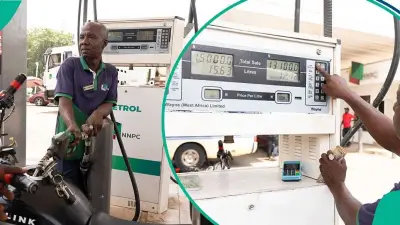
Dr Almona emphasized that the escalating domestic fuel costs are particularly alarming, as they intensify cost-push pressures across production, logistics, and distribution value chains. From the perspective of the OPS, which includes LCCI, this inflationary resurgence poses severe risks to business sustainability, consumer purchasing power, and overall economic competitiveness.
Urgent Calls for Government Intervention
In response to these challenges, the LCCI has urged the Federal Government to take immediate and decisive action. Key recommendations include stabilizing energy prices and enhancing domestic supply to mitigate the inflationary impact. Dr Almona stated, "We urge the government to prioritise measures that enhance domestic refining capacity, improve supply chain efficiency, and reduce vulnerabilities to global energy price shocks." She also called for greater transparency in pricing mechanisms and targeted interventions to stabilize fuel availability in the short term.
Addressing food inflation, which continues to exert significant pressure on household welfare, the LCCI boss stressed the urgent need to strengthen agricultural productivity. This involves tackling insecurity in food-producing regions and reducing post-harvest losses through improved storage and logistics systems. Furthermore, rising transport costs are cascading into higher prices across various sectors, prompting calls for accelerated investments in transport infrastructure, including roads, rail, and inland waterways. The government is also urged to address inefficiencies in port operations and reduce multiple taxation and checkpoints that inflate the cost of moving goods.
Focus on Foreign Exchange and Manufacturing
Another critical area of concern is foreign exchange (FX) stability. Volatility in FX rates continues to drive imported inflation, especially for manufacturers reliant on imported inputs. The LCCI recommends sustained efforts to improve FX liquidity, boost non-oil exports, and restore investor confidence through predictable and transparent FX policies. With improved FX earnings from high crude oil prices, there should be a corresponding boost in supply to support critical imports for businesses.
To reduce dependence on imports and mitigate exposure to external shocks, the LCCI advocates for promoting local manufacturing through targeted incentives, improved access to credit, and stable policy frameworks. Dr Almona added, "The ongoing efforts around industrial policy should be accelerated and effectively implemented." This comprehensive approach aims to foster a more resilient and competitive economic environment in Nigeria.