Middle East Crisis Triggers Concerns About Nigeria's 2026 Budget Implementation
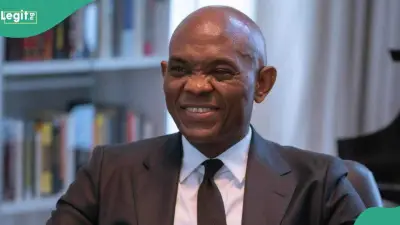
Chief Executive Officer of the Centre for the Promotion of Private Enterprise (CPPE), Dr Muda Yusuf, has issued a stark warning that the ongoing crisis in the Middle East could pose significant risks to the implementation of Nigeria's 2026 budget, despite potential short-term gains from higher oil prices. Speaking during a recent TVC news programme, Yusuf emphasized that while the geopolitical tensions may temporarily boost government revenue through rising crude oil prices, they simultaneously introduce substantial uncertainty that could severely affect fiscal projections and budget execution.
Oil Price Volatility: A Double-Edged Sword
Yusuf noted that oil prices have recently climbed to between $90 and $100 per barrel, which is significantly above the $64 per barrel benchmark used in formulating the 2026 budget. This upward trend, he acknowledged, could theoretically improve revenue performance and support implementation efforts. However, the economist cautioned that the situation represents a "double-edged sword" as volatility in the global oil market could easily disrupt the projections underpinning the budget.
"While rising oil prices could boost revenue, the uncertainty surrounding global developments remains a serious concern," Yusuf stated. He elaborated that part of Nigeria's oil output is already committed to forward sales and joint venture arrangements, which limits the extent to which higher prices can translate into actual, accessible revenue for the government. This structural constraint means that not all price increases directly benefit the national treasury.
Historical Challenges and Ambitious Targets
The economist stressed that weak revenue performance has been a major factor behind poor budget implementation in Nigeria in recent years, particularly affecting capital projects. He highlighted that the 2026 budget is notably ambitious, with N32.2 trillion allocated to capital expenditure. The budget's ultimate success, Yusuf argued, would depend largely on the government's ability to realize its revenue targets amidst these challenging conditions.
While describing the 2026 budget as "ambitious," Yusuf noted that its effective execution would hinge on realistic assumptions and substantially improved revenue flows. He also pointed to Nigeria's rising debt service burden, estimated at N15 trillion for this year, as another critical constraint on implementation. This heavy debt obligation significantly limits the fiscal space available for other budgetary priorities.
Call for Fiscal Discipline and Strategic Prioritization
In light of these challenges, Yusuf urged the government to take decisive action to strengthen fiscal discipline, improve revenue remittances from all agencies, and prioritize spending effectively. These measures, he believes, are essential to ensure that the budget delivers on its objectives despite the uncertain and volatile global environment. The combination of external shocks from the Middle East crisis and internal fiscal pressures creates a complex scenario that requires careful management and proactive policy responses.
The warning from Dr Muda Yusuf underscores the delicate balance Nigeria must maintain between leveraging potential oil revenue windfalls and mitigating the risks posed by global instability. As the Middle East crisis continues to evolve, its implications for Nigeria's economic planning and budget implementation will remain a critical area of focus for policymakers and economic analysts alike.