
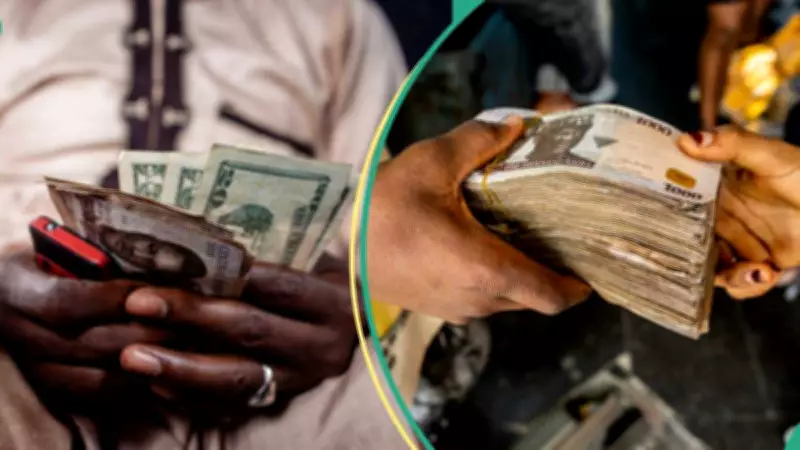
Naira Strengthens to 24-Month High Against US Dollar in Official Market
The Nigerian naira has demonstrated remarkable resilience in the foreign exchange market, achieving its strongest position in approximately two years. According to the latest data from the Central Bank of Nigeria, the local currency strengthened significantly to an intraday high of ₦1,358 per US dollar in the official foreign exchange window on Wednesday, February 4, 2026.
Improved Dollar Liquidity Drives Currency Appreciation
Market analysts attribute this substantial appreciation to enhanced dollar liquidity within the official trading window. The Central Bank of Nigeria's foreign exchange data reveals that the naira strengthened by 1.08 percent to close at ₦1,358.28 per dollar, marking the currency's best performance since the implementation of comprehensive foreign exchange reforms.
Increased foreign portfolio investment inflows have played a crucial role in this development, alongside substantial dollar supply from exporters and non-bank corporate entities. These combined factors have created a more stable trading environment and reduced pressure on the local currency.
Parallel Market Reflects Broader Currency Strength
The naira's positive momentum extends beyond the official market, with the parallel market recording a 0.87 percent appreciation to trade around ₦1,431 per dollar. This simultaneous strengthening across both regulated and informal market segments indicates improved investor sentiment and growing confidence in Nigeria's currency management framework.
Currency traders observe that the narrowing gap between official and parallel market rates reflects better price discovery mechanisms, reduced speculative activities, and enhanced transparency following recent foreign exchange reforms.
Economic Factors Supporting Naira's Rally
Several macroeconomic factors contribute to the naira's current strength. Nigeria's external reserves have shown steady growth, reaching over $46 billion, providing substantial buffer against potential currency depreciation. According to Janet Ogochukwu, a senior banker and economist, "The foreign exchange reserves remain the naira's firepower against depreciation."
Additionally, rising crude oil prices and improved oil production levels have boosted dollar inflows into the economy. Market participants remain optimistic about the currency's near-term trajectory, with forecasts suggesting potential further strengthening to between ₦1,300 and ₦1,350 per dollar in the first quarter of 2026.
Positive Impact on Importers and Economic Confidence
The naira's sustained appreciation brings welcome relief to import-dependent businesses across Nigeria. Companies with foreign currency obligations now require fewer naira to settle dollar-denominated payments, reducing operational costs and improving profit margins.
Economists note that continued currency stability could help moderate imported inflation, enhance corporate planning capabilities, and strengthen overall macroeconomic confidence. The current exchange rate environment enables businesses to make more accurate financial projections and strategic decisions.
Market Outlook and Investor Sentiment
As dollar supply continues to deepen and investor interest remains firm, the naira's renewed strength is reshaping expectations within Nigeria's foreign exchange ecosystem. The currency's performance reflects easing demand pressures and renewed optimism about Nigeria's economic outlook as recent policy reforms begin to demonstrate measurable impact.
The sustained appreciation represents a significant milestone in Nigeria's economic recovery journey, signaling improved market confidence and the effectiveness of monetary policy interventions. Market participants will continue monitoring developments closely as the naira maintains its positive trajectory against major global currencies.




