
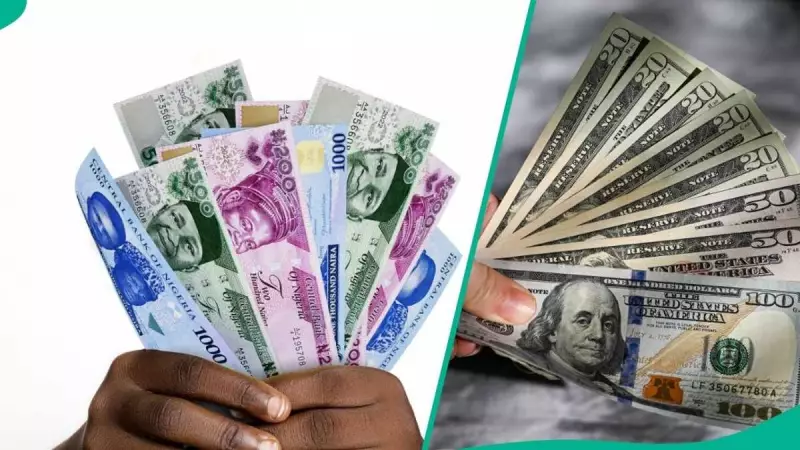
The Nigerian Naira staged a notable comeback against the US Dollar on Thursday, January 15, 2026, appreciating in both the official and parallel foreign exchange markets. This broad-based rally reflects easing demand pressures and a wave of optimism as recent economic reforms begin to yield tangible results.
Official and Parallel Markets Record Gains
During intraday trading at the Nigerian Foreign Exchange Market (NAFEM), the local currency touched a low of N1,418 per dollar, buoyed by a lack of major international payment obligations. According to data from the Central Bank of Nigeria (CBN), the Naira closed the session at N1,419.28 per dollar, marking a marginal gain of 5 basis points, or N0.75, from the previous day.
The parallel market mirrored this positive sentiment, with the exchange rate strengthening to N1,465 per dollar. This movement narrowed the gap between the official and informal market rates, a key indicator that price discovery is becoming more synchronized across different foreign exchange segments. Traders cited reduced panic buying and growing expectations of enhanced macroeconomic stability in 2026 as primary drivers.
Improved Economic Fundamentals Fuel Optimism
The currency's strength is underpinned by significantly improved economic forecasts. At a recent hybrid roundtable, the CBN projected a real GDP growth of 4.49% for Nigeria in 2026. This bullish outlook is shared by international institutions, with the International Monetary Fund (IMF) forecasting a 4.2% economic expansion for the year.
Analysts attribute this projected growth to several factors:
- Higher crude oil production levels.
- Improved security conditions in key regions.
- Sustained fiscal and monetary policy discipline.
Furthermore, Nigeria's external reserves saw an increase, rising by $42.88 million to $45.82 billion, supported by diverse inflows and favourable movements in global oil prices at the time.
Market Rebalancing and Cautious Confidence
Financial experts observed that the calmer trading pattern and narrower band indicate a gradual rebalancing in the forex market. Improved dollar supply is helping to moderate demand, thereby easing the speculative pressures that have previously caused volatility.
This performance signals a phase of cautious optimism within the financial ecosystem, with markets responding positively to strengthening domestic fundamentals and a reduction in global market volatility. However, this rally follows a period where the exchange rate gap had widened due to tight dollar supplies in the parallel market, highlighting the ongoing sensitivity of the Naira to forex liquidity.
Overall, the convergence of a stronger growth outlook, rising external reserves, and measured forex trading is building a firmer foundation for the Naira's stability as the year progresses.




