
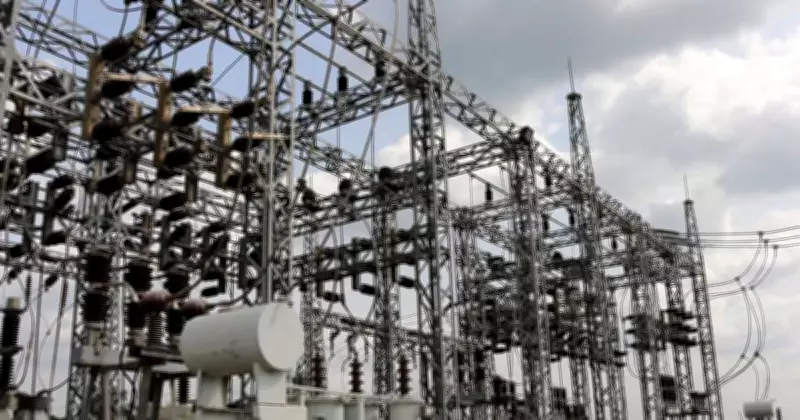
Nigeria's Power Crisis Deepens as Electricity Generation Plunges Below 4,000MW
Nigeria's electricity supply has suffered a significant setback as power generation on the national grid dropped below the critical 4,000-megawatt threshold early Thursday morning. This alarming decline has raised serious concerns about worsening electricity shortages across the country in the coming days and weeks.
Grid Operator Confirms Critical Drop
According to the Nigerian Independent System Operator (NISO), total electricity generation stood at just 3,940.53 megawatts at 5:00 a.m. on Thursday. The agency attributed this substantial drop primarily to persistent gas supply shortages affecting thermal power plants nationwide.
In a statement titled "Gas Constraints Lead to Temporary Reduction in Power Generation," the grid operator revealed that the system was already under severe strain before dawn. By 5:00 a.m., electricity generation had fallen well below expected levels because multiple power plants were receiving insufficient gas supplies to operate at normal capacity.
Rapid Decline in Generation Capacity
The situation deteriorated rapidly between 6:00 a.m. and 8:00 a.m. when several generating units were forced to shut down completely due to inadequate gas supply. This shutdown removed approximately 292 megawatts from the national grid within just two hours, exacerbating an already critical situation.
The immediate consequences are familiar to most Nigerians: extended power outages, unstable voltage levels, and increased dependence on expensive backup generators. This latest development represents a significant worsening of Nigeria's chronic electricity challenges.
The Core Issue: Severe Gas Supply Shortage
The fundamental problem isn't the power plants themselves but rather their fuel supply. Nigeria's electricity system relies heavily on gas-fired thermal plants, which provide more than 70 percent of the electricity transmitted through the national grid. These facilities require enormous daily volumes of natural gas to function properly.
According to NISO's operational data, thermal power plants connected to the grid need approximately 1,588.61 million standard cubic feet of gas per day to operate at full capacity. However, current gas supply to these plants stands at only 652.92 million standard cubic feet daily - roughly 40 percent of the required volume.
This massive gap between required and available gas supply represents the primary reason for the continuous decline in electricity generation across Nigeria.
Worsening Trend from Previous Weeks
The current crisis didn't emerge suddenly. Just weeks earlier, the system operator had already issued warnings about declining generation levels. In February 2026, power generation had fallen to around 4,300 megawatts due to similar gas supply issues.
Even that February figure was considered dangerously low for a country with more than 200 million people. The latest reading of 3,940.53 megawatts demonstrates that the situation has deteriorated significantly since then, marking a new low point in Nigeria's ongoing electricity challenges.
Structural Problems in Gas Supply Chain
Nigeria possesses some of Africa's largest natural gas reserves, yet consistently struggles to deliver adequate gas to power plants. Several structural problems plague the gas-to-power supply chain, creating persistent challenges.
Pipeline vandalism represents one of the most significant issues, regularly disrupting gas transportation infrastructure. When pipelines are damaged or shut down for repairs, supply to power stations can drop dramatically within hours.
Payment disputes within the electricity market also contribute to the problem. Power generation companies sometimes struggle to pay gas suppliers due to broader financial issues in the electricity value chain, which can slow or disrupt gas deliveries.
Additionally, global energy market dynamics create pressure on domestic gas supply, as exporters can often earn higher profits selling gas internationally rather than supplying it domestically.
Grid Operator's Response Measures
The system operator has confirmed it is working with electricity producers and gas suppliers to stabilize the situation. According to NISO, ongoing discussions with generation companies and gas providers aim to restore fuel supply to affected power plants.
The agency has also implemented operational measures to maintain stability on the national grid despite reduced generation capacity. Grid stability remains crucial, as sudden or unpredictable supply drops can trigger complete grid collapse - a scenario that has occurred multiple times in recent years.
Managing this risk represents one of the operator's immediate priorities as they navigate the current crisis.
Impact on Nigerian Consumers
For ordinary Nigerians, the effects are already becoming increasingly noticeable. Lower generation means less power available for distribution companies to deliver to homes and businesses nationwide.
In practical terms, consumers can expect:
- Longer and more frequent power outages
- Reduced voltage levels affecting electrical appliances
- Increased dependence on private generators
- Higher electricity costs for those using backup power
Nigeria already ranks among countries with the highest levels of generator use globally, with businesses and households frequently turning to diesel or petrol generators to maintain basic power supply. These generators come with substantial financial costs and significant environmental impacts.
The system operator has emphasized its commitment to maintaining grid stability while managing the impact of reduced generation. NISO continues to monitor the situation closely and has pledged to keep stakeholders and the public informed about developments affecting the national grid.




