
Nigerian youths and their peers across Africa have been challenged to see themselves not merely as participants in national politics but as future global leaders capable of shaping the world's political, economic and social direction. The call was made on Tuesday at the West Africa Youth Regional Symposium on Democratic Reforms organised by the National Democratic Institute and the West Africa Democracy Solidarity Network in Abuja, where speakers highlighted the growing importance of Africa's youthful population in determining the future of democracy and governance worldwide.
Inspiration from Founding Fathers
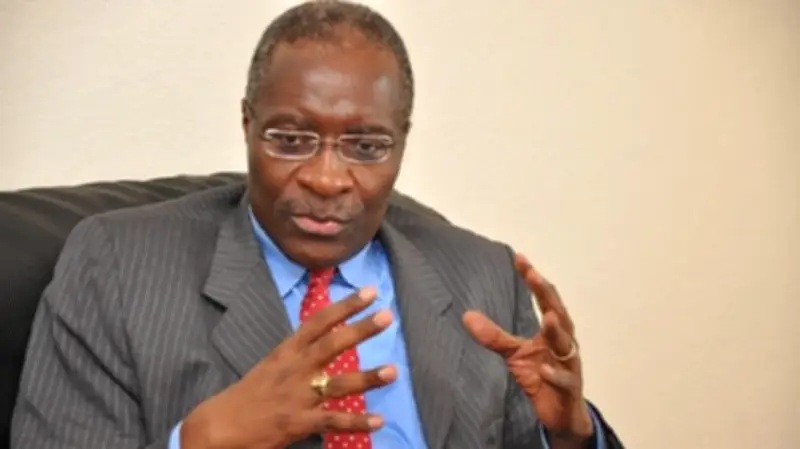
Leading the conversation, democracy advocate Christopher Fomunyoh urged young Africans to draw inspiration from the courage, vision and leadership demonstrated by Africa's founding fathers, including Kwame Nkrumah, Julius Nyerere, Ahmed Sekou Toure and Patrice Lumumba. Fomunyoh reminded participants that many of Africa's most celebrated nationalist leaders assumed historic responsibilities while still relatively young, proving that age should never be a barrier to leadership and public service.
Demographic Strength
He stressed that Africa's demographic strength places the continent at the centre of the world's future, noting that within the next two decades, one-third of the global youth population will be African. 'You are at the prime of your leadership potential. In the next two decades, one-third of the world's youth population will be African. You should aspire not only to lead your organisations and countries but also to lead the world. The world is waiting for you,' he said.
According to him, Africa's young people possess the energy, creativity and numbers needed to influence global conversations on democracy, innovation, economic development and governance if they remain engaged and committed to public service.
Role of Youth in Political Change
Political scientist and democracy advocate, Prof. Jibrin Ibrahim also underscored the critical role young people have played in driving political change across West Africa, citing youth-led mobilisations in Senegal, Cote d'Ivoire, Burkina Faso and Guinea. However, he cautioned that young people must remain involved beyond moments of protest and political transition.
'Youth engagement in West African affairs has always been present, but not in a continuous manner. Young people often create the conditions for change but later retreat, allowing others to take over the process,' he said. Ibrahim argued that Africa's future influence on the global stage will depend on whether its young population can sustain long-term engagement in governance, institution-building and democratic reform.
Demand for Better Governance
Ghanaian democracy activist, Ms. Vera Abena Addo said young Africans have every reason to demand better governance, pointing to unemployment, economic hardship, inadequate housing and unmet political promises across the continent. She maintained that because young people make up the majority of Africa's population, they must be given a stronger voice in decision-making processes and public policy.
Addo urged participants not to lose faith in democratic engagement despite setbacks, stressing that lasting reforms are often achieved through years of consistent civic action. She observed that young people constitute the majority of the population in most African countries and therefore deserve a stronger voice in governance and policymaking. 'To sideline the majority of the population is wrong. Young people deserve more and they must continue to organise and advocate for reforms,' she said.
Addo encouraged participants not to become discouraged by setbacks, noting that democratic gains often result from years of consistent mobilisation and civic engagement.




