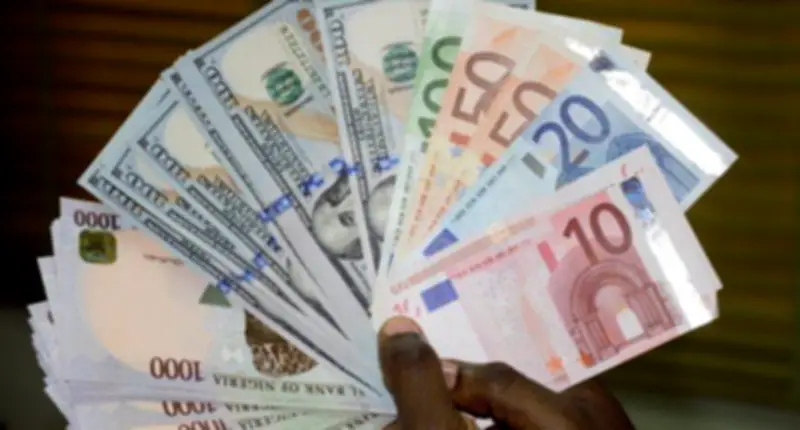
The Nigerian naira weakened against the euro on Thursday, July 11, 2026, trading at N1576 per euro in the official window, according to data from the FMDQ Exchange. This depreciation occurred despite the country's external reserves remaining strong at $42.5 billion, as reported by the Central Bank of Nigeria (CBN).
Market Performance
The naira's decline against the euro reflects persistent demand pressure in the foreign exchange market. The rate represents a 0.8% drop from the previous close of N1563/€1. Analysts attribute the slip to increased corporate demand for the single currency, particularly from importers and manufacturers sourcing goods from Europe.
On the parallel market, the naira also weakened, trading at N1590 per euro, widening the gap between official and unofficial rates. The spread now stands at about 1.3%, compared to 0.9% earlier in the week.
External Reserves Buffer
Nigeria's external reserves have remained relatively stable, standing at $42.5 billion as of July 10, 2026, according to CBN data. This level provides a buffer against external shocks and supports the central bank's ability to intervene in the forex market. However, the sustained demand for foreign currency continues to exert pressure on the naira.
CBN Governor, Dr. Yemi Osinbajo, stated in a recent interview: "Our external reserves are adequate to cover over 12 months of import bills, giving us the confidence to manage exchange rate volatility." Despite such reassurances, market participants remain cautious.
Impact on Businesses and Consumers
The naira's weakness against the euro increases the cost of imported goods from the Eurozone, including machinery, chemicals, and premium food products. This could fuel inflationary pressures, as businesses pass on higher costs to consumers. Nigeria's inflation rate stood at 24.3% in June 2026, and a weaker naira may complicate the CBN's efforts to rein in price rises.
Manufacturers Association of Nigeria (MAN) expressed concern, noting that the exchange rate volatility undermines production planning. MAN President, Mr. Segun Ajayi-Kadir, said: "The persistent depreciation of the naira is hurting local industries that rely on imported raw materials. We urge the CBN to implement more effective forex allocation measures."
Outlook
Analysts expect the naira to remain under pressure in the near term, given the strong demand for euros and other major currencies. The CBN's forthcoming monetary policy committee meeting, scheduled for July 22-23, 2026, will be closely watched for any changes in forex policy or interest rates. Some economists anticipate a possible adjustment to the official exchange rate band to narrow the gap with the parallel market.
Despite the current weakness, the CBN maintains that the naira is undervalued and expects it to strengthen once oil revenues improve and non-oil exports increase. Nigeria's crude oil production has averaged 1.8 million barrels per day in the second quarter of 2026, supporting reserve accretion.