
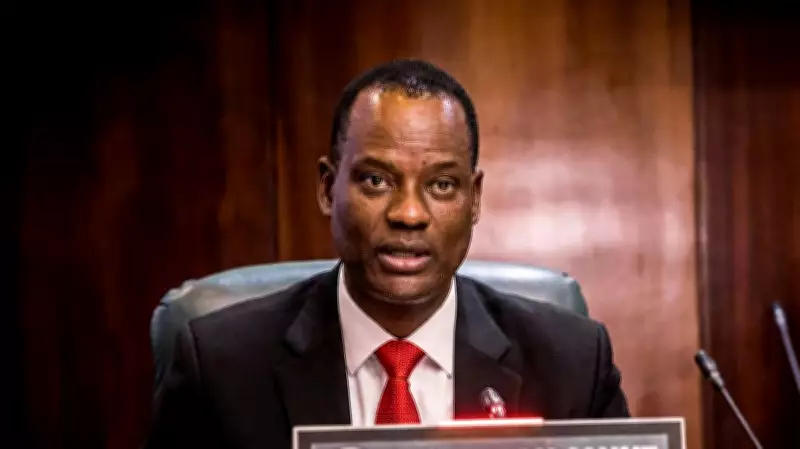
The Minister of Finance and Coordinating Minister of the Economy, Taiwo Oyedele, has stated that Nigeria is moving from a phase of economic stabilisation to growth. He argued that the volatility triggered by the removal of petrol subsidy and foreign exchange reforms was an unavoidable consequence of efforts to correct long-standing distortions in the economy.
Reforms and Their Immediate Impact
Speaking in an interview with The African Report published on Friday, Oyedele said the government had anticipated the immediate impact of the reforms, including higher fuel prices, increased transportation and logistics costs, and rising inflation. According to him, the distortions created by fuel and foreign exchange subsidies could not have been removed without a period of economic disruption.
“If you think about where we started, about three years ago, it was a situation where there was a lot of economic distortion, particularly coming from fuel subsidy, FX subsidy and a lot of other market distortions. To be able to deal with that, you would necessarily have to get into a situation of volatility,” he said.
Necessary Steps for Long-Term Growth
He noted that the government was aware that removing subsidies would trigger higher fuel prices and inflationary pressures in the short term but maintained that the reforms were necessary to address structural imbalances and lay the foundation for long-term economic growth.
Oyedele said the economy has now largely moved beyond the initial adjustment phase, pointing to signs of improving macroeconomic conditions. “And then after that was the stability. Now we have had that economic stability,” he said, adding that recent indicators show moderating inflation, a more stable foreign exchange market and gradual growth in economic activity.
“We have seen moderation in inflation, we have seen the foreign exchange rate stabilise and, in fact, steady appreciation over the past couple of years. We have also seen growth, modest growth, but increasing.”
Geopolitical Pressures and Future Focus
He, however, acknowledged that recent geopolitical developments had created fresh pressures on the economy. The Minister said the government’s attention is now shifting towards unlocking growth by addressing structural constraints that continue to limit productivity and investment.
According to him, improving power supply, expanding infrastructure, developing skills and reducing regulatory bottlenecks will be critical to sustaining economic expansion, while the tax system must support investment and growth.
“So we believe that we are now at a point where we are moving from stability to growth. To be able to achieve growth, we need to unlock some factors.
“One of them has to do with power, infrastructure more broadly. You need skills. You need to deal with issues around over-regulation. Your tax system must be investor-friendly and growth-promoting,” he said.
Progress and Results
Oyedele expressed confidence that the administration has made substantial progress in laying the foundation for growth and is now focused on ensuring that reforms produce tangible results for businesses and households.
“We have done that to a very large extent. We are quite proud of the progress we have made, but this is the point where we are now, where we begin to translate those reforms into results,” he said.
Taxation and Compliance
On taxation, Oyedele said the government is intensifying efforts to expand the tax net and improve compliance, stressing that no individual or organisation should be beyond the reach of the law.
“One of the problems is that Nigeria’s political economy still has some very large tax evaders who are almost too powerful to touch. No one should be above the law,” he said.
He added that recent reforms have already targeted multinational companies, operators in special economic and free trade zones, government agencies and high-net-worth individuals. According to him, the government is building a system that compels compliance rather than relying on voluntary adherence to tax obligations.
Broader Economic Efforts
Oyedele said the reforms form part of a broader effort to strengthen public finances, deepen economic reforms and ensure that improvements in macroeconomic stability translate into meaningful benefits for businesses and households.




