
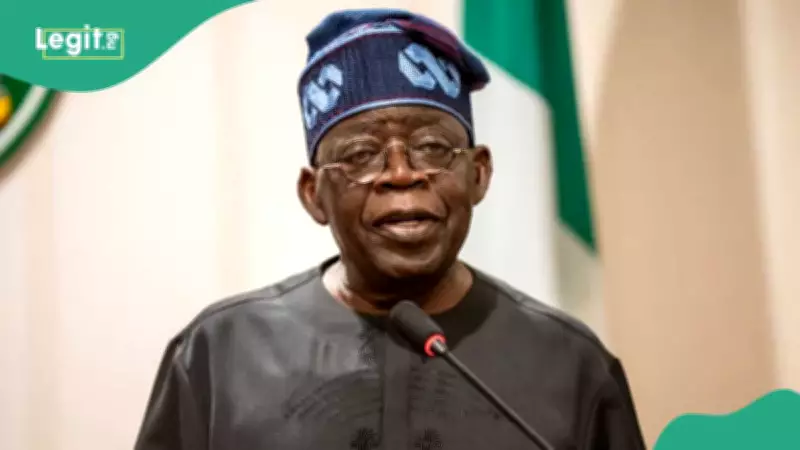
President Bola Tinubu's government is seeking a fresh $1.25 billion loan from the World Bank, which could push Nigeria's total public debt beyond N160 trillion. The current debt stands at approximately N159.28 trillion ($94.2 billion), reflecting a mix of domestic and external obligations.
Nigeria's Growing Debt Burden
If approved, the total public debt would rise to at least N160.98 trillion. In dollar terms, it could increase from $110.97 billion to about $112.22 billion. The debt comprises thousands of instruments across bilateral agreements, multilateral financing, commercial bonds, and domestic borrowing tools.
Multilateral Loans: Major Institutional Creditors
The World Bank is Nigeria's largest multilateral lender, with facilities including a $2.25 billion Economic Stabilisation loan, $1.57 billion for health and power projects, $800 million for social safety nets, and $700 million for education support. Other key creditors include the International Monetary Fund (IMF), African Development Bank (AfDB), and Islamic Development Bank (IsDB).
Bilateral Loans: Country-to-Country Borrowing
Nigeria secures loans from foreign governments via export credit agencies. China's Exim Bank finances railway and infrastructure projects. France's AFD supports urban development, Japan's JICA funds agriculture and power, while Germany's KfW and India's Exim Bank also contribute.
Commercial Loans and Global Capital Market Debt
Nigeria issues Eurobonds in international capital markets, held by global investors with market-driven interest rates. Promissory notes are also used to settle arrears owed to contractors and suppliers.
Domestic Debt: Borrowing Within Nigeria
The Federal Government raises funds through FGN Bonds (long-term securities), Nigerian Treasury Bills (NTBs), Treasury Bonds, Savings Bonds for retail investors, and Sukuk bonds compliant with Islamic finance principles.
State-Level Borrowing and Federal Guarantees
States maintain their own debt profiles, including external loans backed by federal guarantees and domestic loans from commercial banks, directed toward infrastructure and development projects.
Transparency and Official Debt Records
The Debt Management Office (DMO) maintains the official database of all external and domestic obligations, ensuring transparency in public debt reporting.
Nigeria's debt structure remains dynamic, shaped by development financing needs, fiscal pressures, and ongoing borrowing across multiple channels.




