Open Letter to President Tinubu Urges Swift Economic Relief Amid Growing Hardship
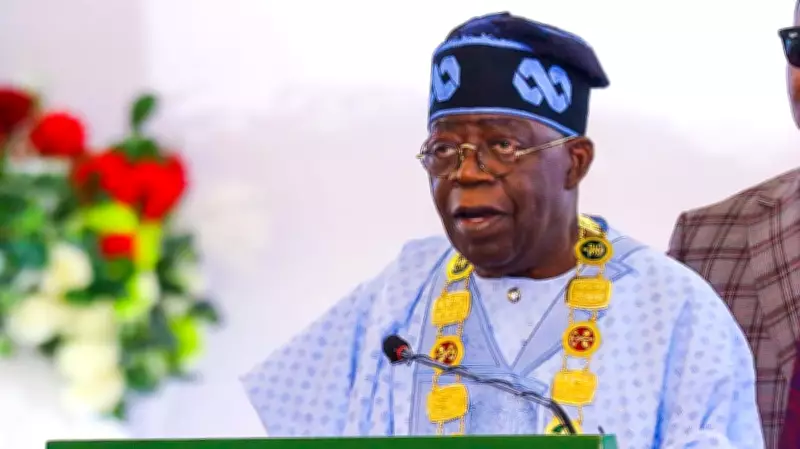
In a heartfelt open letter dated March 29, 2026, a concerned Nigerian citizen has addressed President Bola Ahmed Tinubu, reflecting on the nation's pressing economic realities and calling for urgent, people-centered action. The letter, penned by Dr. Aranmolate Rasheed Ayobami, a plastic surgeon and healthcare executive at Grandville Medical Group, Nigeria, begins with warm birthday wishes to the President, praying for continued strength and wisdom as he navigates the country's challenges.
Economic Strain from Fuel Subsidy Removal and Naira Devaluation
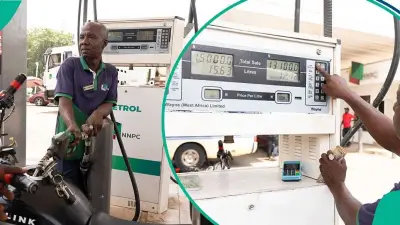
The letter acknowledges the bold step taken by the Tinubu administration in removing the fuel subsidy, a policy direction set in motion prior to his tenure but implemented under his leadership. This move has had immediate and far-reaching implications, significantly increasing the cost of living for Nigerians. Fuel prices, foundational to transportation, logistics, and production, have cascaded across all sectors, driving inflation and disproportionately affecting lower and middle-income populations. For many, daily survival has become increasingly difficult.
Compounding this issue is the rapid devaluation of the naira, which has effectively lost nearly threefold of its value in a short period. While arguably necessary from a macroeconomic standpoint, this transition caught individuals and businesses unprepared, eroding savings, surging operational costs, and creating uncertainty in planning. Even professionals and structured businesses have felt significant shock from these economic shifts.
Disconnect Between Macroeconomic Indicators and Public Reality
Despite these challenges, the letter notes indicators of macroeconomic resilience, such as the notable strength of the Nigerian stock market. However, it emphasizes that this growth remains largely disconnected from the realities of the average Nigerian, who does not participate in or benefit directly from capital market gains. The letter also highlights external pressures, including ongoing geopolitical tensions involving Iran, Israel, and the United States, which have global economic implications—particularly on oil prices and supply chains. For Nigeria, these external shocks translate into further inflationary pressures, worsening the already fragile economic situation at home.
Growing Despair and Urgent Calls for Action
Your Excellency, the most pressing concern remains the condition of the common man, the letter states. Across streets, markets, and workplaces, there is a growing sense of hardship and quiet despair. People are lamenting, yet many feel they have no clear avenue for relief or recourse. The recurring question is: what more can be done to ease this burden?
In addition, the letter points to the urgent national issue of recurring power outages. Reliable electricity is not merely a convenience but a critical enabler of economic productivity, healthcare delivery, education, and general quality of life. The current instability in power supply is further straining businesses and households already grappling with high costs.
Key Recommendations for Immediate Intervention
At this juncture, the letter calls for accelerated, visible, and impactful interventions in several key areas:
- Targeted social protection programs for vulnerable populations to provide immediate relief.
- Stabilization policies to manage inflation and currency volatility, ensuring economic predictability.
- Clear communication and transition frameworks to help citizens and businesses adapt to ongoing economic reforms.
- Urgent reforms and investment in the power sector to ensure consistent electricity supply, boosting productivity.
- Infrastructure development that directly improves productivity and lowers the cost of doing business, fostering long-term growth.
Leadership in times such as these requires not only bold decisions but also responsive adjustments and empathetic governance, the letter asserts. Nigerians are resilient, but resilience must be supported by systems that work. As President Tinubu marks another year, the letter hopes this moment serves as a renewed opportunity to reflect, recalibrate where necessary, and reinforce the social contract between leadership and the people. Nigeria must move forward with urgency, inclusiveness, and clarity of direction.
The letter concludes with assurances of highest regards, signed by Dr. Aranmolate Rasheed Ayobami, emphasizing the need for immediate action to address the economic hardships faced by everyday Nigerians.