
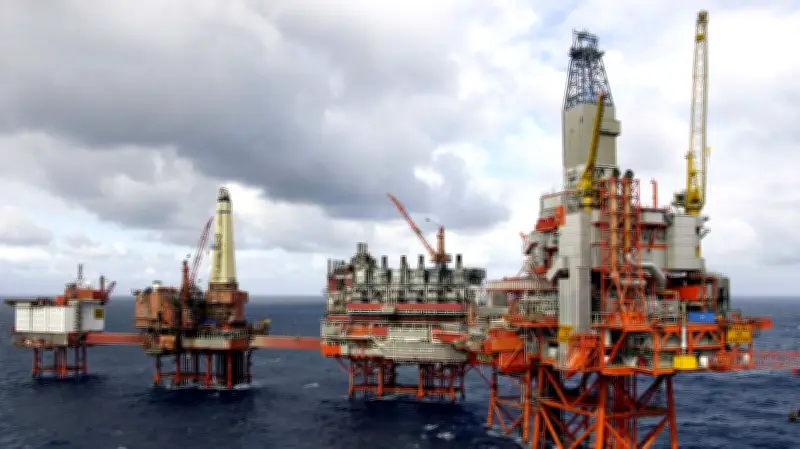
A temporary peace agreement between the United States and Iran has triggered a sharp recalibration in global crude and refined oil markets, ending months of hostilities and reopening the Strait of Hormuz—a critical waterway handling about 20% of global oil flows. This development has immediately weakened prices of Nigerian crude grades, including Bonny Light and Qua Iboe, as traders anticipate the gradual return of previously constrained Middle Eastern supplies.
Impact on Nigerian Crude Grades
Light sweet crudes, which had benefited from supply disruptions in the Gulf, were among the first to come under pressure. Bonny Light, Nigeria’s flagship grade, traded between $100 and $102 per barrel at the end of May but has now fallen below $90, reflecting a broader softening in Brent prices. Brent itself declined to below $84 per barrel, while West Texas Intermediate hovered around $80, eroding export premiums previously enjoyed by Nigerian crude. Market analysts say the downturn reflects expectations that the reopening of the Strait of Hormuz will eventually restore Middle Eastern exports, easing the global supply squeeze that had supported Atlantic Basin crudes. Nigerian grades had commanded strong premiums in recent months as refiners scrambled to substitute lost Gulf barrels, but that advantage is now being steadily unwound.
Market Experts Cautious on Immediate Recovery
However, oil market experts caution that the restoration of flows will not be immediate. Francis Osborne, Head of Oil Analytics at Argus Medja, noted that even a definitive end to hostilities and the unconditional reopening of the Strait of Hormuz to cargo transits—free from interference or tariffs—would not by itself ensure an immediate resumption of pre-crisis commodity flows. He added that vessel operators and insurers are likely to remain cautious, preferring to observe sustained safe transits before re-engaging the route. “Logistically, displaced vessel tonnage and crews will need to be repositioned, which will take time to achieve,” he said, stressing that full restoration of regional production capacity may take months. Osborne further warned that Middle Eastern output may only return close to pre-crisis levels within “four to six months,” while alternative export routes such as Yanbu in Saudi Arabia and Fujairah in the UAE are expected to remain heavily utilized, limiting immediate traffic through the Strait of Hormuz. He also noted that some traditional buyers may diversify supply sources, potentially reducing dependence on Gulf crude in the medium term.
Refined Products Market Outlook
In the refined products market, Benedict George, Head of Refined Product Pricing at Argus Media, said that while supply restoration could occur within six weeks if the Strait remains open, the physical reality of shipping timelines means Europe, Africa, and Asia will not see immediate relief. “The tankers take four to six weeks to reach Europe,” he explained, adding that even before the conflict, many vessels had been diverted via the Cape of Good Hope due to security concerns. He warned that Europe is likely to remain structurally short of inventories, particularly diesel and jet fuel, making prices more sensitive to any further disruption. Jet fuel markets have already begun adjusting as Amaar Khan, Head of EMEA Jet Fuel Pricing at Argus Media, said premiums have returned to pre-war levels, with the July swap trading around $65 per tonne above ICE gasoil. However, he stressed that underlying prices remain elevated compared to pre-crisis levels, supported by tight supply conditions and geopolitical risk premiums. “On physical supply, flows from the Strait of Hormuz will not arrive in Europe until late July at the earliest,” Khan said, noting that while summer demand is expected to be met, inventory rebuilding will remain constrained due to tight market conditions.
LNG Market and Shipping Challenges
In the LNG market, Martin Serior and Natasha Fielding of Argus Media highlighted that even with a peace agreement, a rapid recovery in flows remains unlikely. Qatar’s Ras Laffan terminal, the world’s largest LNG export facility, requires months to fully restart, while 12.8 million tonnes per annum of capacity remains offline following earlier missile damage. They added that delayed expansion projects and a cautious operational strategy in Qatar will continue to cap supply, keeping prices elevated despite easing geopolitical tensions. Sheel Bhattacharjee, Head of Freight Pricing, said shipping operators remain hesitant, citing uncertainty over the durability of the ceasefire and lingering security risks in the Gulf. He noted that there were “no significant movements of crude oil or clean product tankers overnight,” underscoring the industry’s cautious stance. Bhattacharjee also pointed to ongoing risks, including 57 reported maritime security incidents in the region since late February, as a key factor delaying the return of vessels.




