
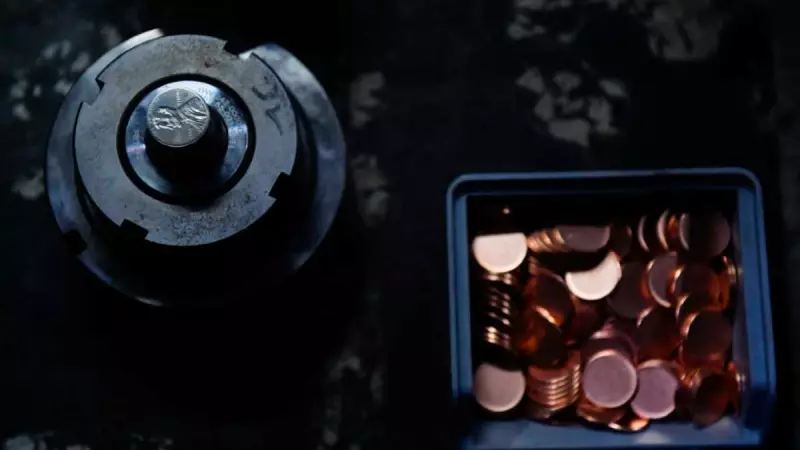
The United States has officially ended the production of circulating pennies, marking the conclusion of a 232-year chapter in American currency history. The final coin was pressed on Wednesday in a significant move driven by rising production costs that made the one-cent coin economically unsustainable.
The Final Minting Ceremony
US Treasurer Brandon Beach personally oversaw the striking of the last penny at the Philadelphia mint facility. This ceremonial event brought to a close the production of a coin that has been part of American daily life since the Coinage Act of 1792 first authorized its creation.
Acting Mint director Kristie McNally acknowledged the historic moment in an official statement, noting that "While general production concludes today, the penny's legacy lives on". The statement provides reassurance that existing pennies will continue to serve as legal tender for all transactions.
Why America is Abandoning the Penny
The decision to halt penny production comes after years of debate about the coin's economic viability. The cost of manufacturing each penny has skyrocketed from 1.42 cents to 3.69 cents over the past decade, meaning the government was effectively losing money on every coin it produced.
Former President Donald Trump had championed the elimination of penny production earlier this year, taking to his Truth Social platform in February to declare: "For far too long the United States has minted pennies which literally cost us more than 2 cents. This is so wasteful!" His administration had framed the move as part of broader efforts to reduce government spending.
What Happens to Existing Pennies?
For those concerned about their penny collections or daily transactions, there's no immediate cause for alarm. Approximately 300 billion pennies remain in circulation, ensuring that the familiar copper-colored coins will continue to appear in cash registers and piggy banks for years to come.
The composition of pennies has evolved significantly since their introduction. Early versions were made from pure copper, while modern pennies feature copper-plated zinc, which gives them their distinctive reddish appearance while keeping costs lower than pure copper would allow.
Previous attempts to eliminate penny production through congressional action had repeatedly failed, making this administrative decision particularly noteworthy. The move represents a pragmatic response to changing economic realities rather than a symbolic gesture.




