
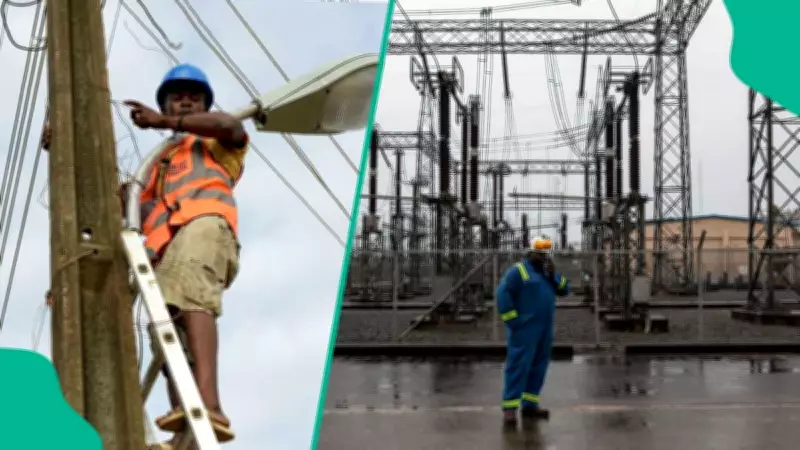
Nigeria's Power Grid Crisis Deepens as 17 Power Plants Shut Down Nationwide
Nigeria's electricity generation capacity has plunged to a critically low level following the simultaneous shutdown of seventeen power plants across the country. This dramatic reduction has left only eight operational facilities generating power, resulting in a total output of just 1,471.69 megawatts as recorded by the Nigerian Independent System Operator.
Severe Generation Deficit Exposes Grid Vulnerabilities
The shutdown represents a catastrophic drop in electricity production, with the current output constituting less than twelve percent of Nigeria's installed generation capacity of over 13,000MW. Under normal operating conditions, the national grid typically delivers between 4,000MW and 5,000MW to consumers nationwide.
With Nigeria's population exceeding two hundred million people, this reduced output translates to approximately seven watts per person—a figure significantly below the sub-Saharan African average and far lower than consumption levels in comparable emerging economies. Nigeria's per capita electricity consumption remains stubbornly below 160 kilowatt-hours annually, compared to over 3,500 kWh in South Africa.
Operational Plants and Major Shutdowns
The eight power plants that remained operational during this crisis included Dadinkowa generating 17.35MW, Geregu at 102MW, Geregu NIPP producing 90MW, Okpai contributing 194MW, Omoku with 27.50MW, Omotosho at 27.50MW, Shiroro generating 297.04MW, and Zungeru producing 300MW.
However, numerous major generation assets recorded zero output during this period. These included critical facilities such as Afam III, Afam VI, Alaoji NIPP, Delta Gas, Egbin, GPAL, Ihovbor, Jebba, Kainji, and MEPP. Additional affected plants were Odukpani, Olorunsogo, Paras Energy, Rivers IPP, Sapele, Taopex, and Trans Afam Power.
Egbin Shutdown Triggers Widespread Lagos Blackouts
The shutdown of Egbin Power Plc—Nigeria's largest thermal plant with an installed capacity of 1,320MW—directly contributed to extensive power outages across Lagos, the nation's commercial capital. According to company spokesman Felix Ofulue, the disruption resulted from maintenance works conducted by the Transmission Company of Nigeria.
"TCN commenced maintenance works from 9 am to 12 pm, and that impacted our operations... The normal supply is expected to resume," Ofulue explained regarding the temporary disruption that nevertheless caused significant service interruptions.
Persistent Structural Challenges Plague Electricity Sector
Nigeria's electricity sector continues to grapple with longstanding structural challenges that include chronic gas supply constraints, transmission bottlenecks, and severe liquidity issues. Industry data reveals that more than eighty percent of the country's generation capacity relies on gas-fired plants, making the sector particularly vulnerable to supply disruptions.
These disruptions frequently stem from pipeline vandalism, pricing disputes between stakeholders, and substantial unpaid debts to gas suppliers. The consequences extend beyond residential consumers, with manufacturers reportedly spending between forty and sixty percent of their operating costs on self-generation using diesel and gas-powered generators—a practice that significantly increases production costs and undermines competitiveness.
Grid Performance Data Reveals Alarming Collapse Patterns
Performance data from the national grid shows concerning patterns of instability, with two major collapses recorded in January 2026 alone—specifically on January 23rd and 26th. This follows twelve grid collapses throughout 2024, averaging approximately one incident per month.
While the frequency decreased in 2025 with four major incidents recorded on February 12, March 7, September 10, and December 29, the underlying vulnerabilities remain unaddressed. The recurring nature of these collapses highlights systemic weaknesses in grid management and infrastructure resilience.
Expert Raises Concerns Over System Management
Professor Yemi Oke of the University of Lagos has expressed serious concerns about the performance of both the Transmission Company of Nigeria and the Nigerian Independent System Operator. While TCN oversees transmission infrastructure, NISO bears responsibility for critical system operations including load shedding and grid stability management.
According to Professor Oke, expectations were initially high when NISO was established approximately two years ago, but persistent operational challenges continue to undermine its effectiveness. These management concerns coincide with growing labor unrest, as the Nigeria Labour Congress has threatened nationwide industrial action over recurring grid collapses.
The NLC has called for a comprehensive sector review and greater state involvement in electricity management, with union president Joe Ajaero stating that organized labor will resist any further electricity tariff increases or policies that worsen hardship without delivering tangible improvements in power supply reliability.




