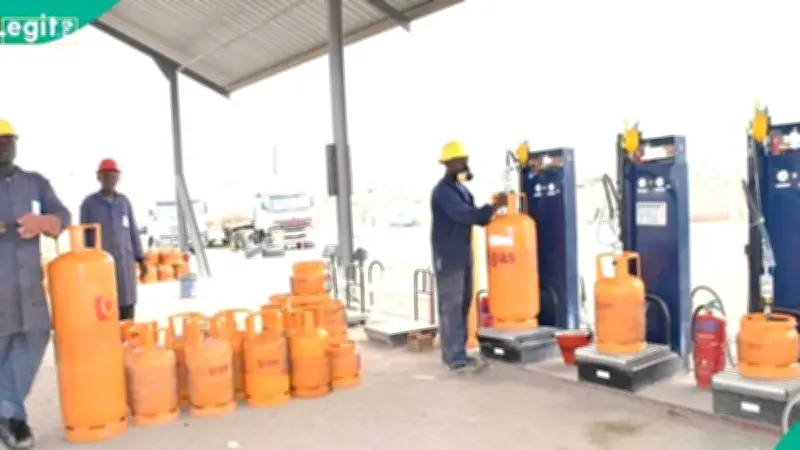
Asiko Energy Holdings Limited has completed a 5,000-metric-tonne Liquefied Petroleum Gas (LPG) and propane terminal in Ijora, Lagos, a project nearly two decades in the making. The company says the facility will enable it to source cheaper cooking gas supplies and ultimately reduce prices for Nigerian consumers.
The completion ceremony took place on Tuesday, September 30, with the company's Managing Director and Chief Executive Officer, Felix Ekundayo, explaining that the terminal was built to give Asiko Energy access to a broader pool of LPG producers. This includes suppliers offering lower-cost products that do not initially meet domestic specifications but can be blended to comply with Nigerian standards.
Blending Capability to Lower Prices
Ekundayo highlighted the strategic importance of the blending capability, stating: "There are other producers out there that make LPG that is cheaper. It's not the right specification, but it can be blended to make the right specification, which will help us drop down the price of cooking gas."
He added that this flexibility in sourcing and pricing LPG was one of the key reasons for developing the terminal, allowing the company to respond more dynamically to market conditions.
Terminal Infrastructure and Construction
The facility is connected to three of Nigeria's largest LPG delivery jetties through about two kilometres of underground pipeline running towards Apapa, according to Punch reports. Ekundayo said this connection would enable the terminal to receive cargo shipments while reducing logistical constraints.
The construction was a major engineering feat, involving approximately 4,000 truckloads of sand, more than 6,000 tonnes of steel, and 1,500 stone columns sunk to a depth of 13.5 metres. The project received financial backing from the Midstream and Downstream Gas Infrastructure Fund, alongside financing from the Bank of Industry, Stanbic IBTC, Wema Bank, and InfraCredit.
Asiko Energy Chairman Alex Ogedegbe noted that the project took nearly two decades to move from conception to completion. He described it as evidence that government-backed intervention funds could help unlock private capital for major gas infrastructure projects, as reported by Guardian.
The company has announced plans to expand the terminal in its next phase to include LNG storage and distribution.
Nigeria's LPG Supply Gap
At the ceremony, Nigeria LNG Limited Managing Director Adeleye Falade addressed the country's gas infrastructure challenges, stating that it had not kept pace with rising domestic demand. Falade revealed that NLNG had directed all its LPG output to the Nigerian market since 2022, with production rising to about 500,000 tonnes annually.
He said: "As of last year, we were already producing in-country 500,000 tonnes of LPG, but guess what? It's now just about 40 per cent of the country's demand."
This supply gap has contributed to elevated cooking gas prices, with LPG selling for about N1,400 to N1,500 per kilogramme, putting significant pressure on households and businesses that rely on the fuel.
Recent Price Trends
Earlier, Legit.ng reported that the National Bureau of Statistics (NBS) recorded a 13.73% month-on-month increase in the average retail price for refilling a 5kg cylinder of LPG. The report also showed a 13.89% month-on-month rise for refilling a 12.5kg cylinder, with Lagos recording the highest average price for a 5kg refill at N9,745.10.